
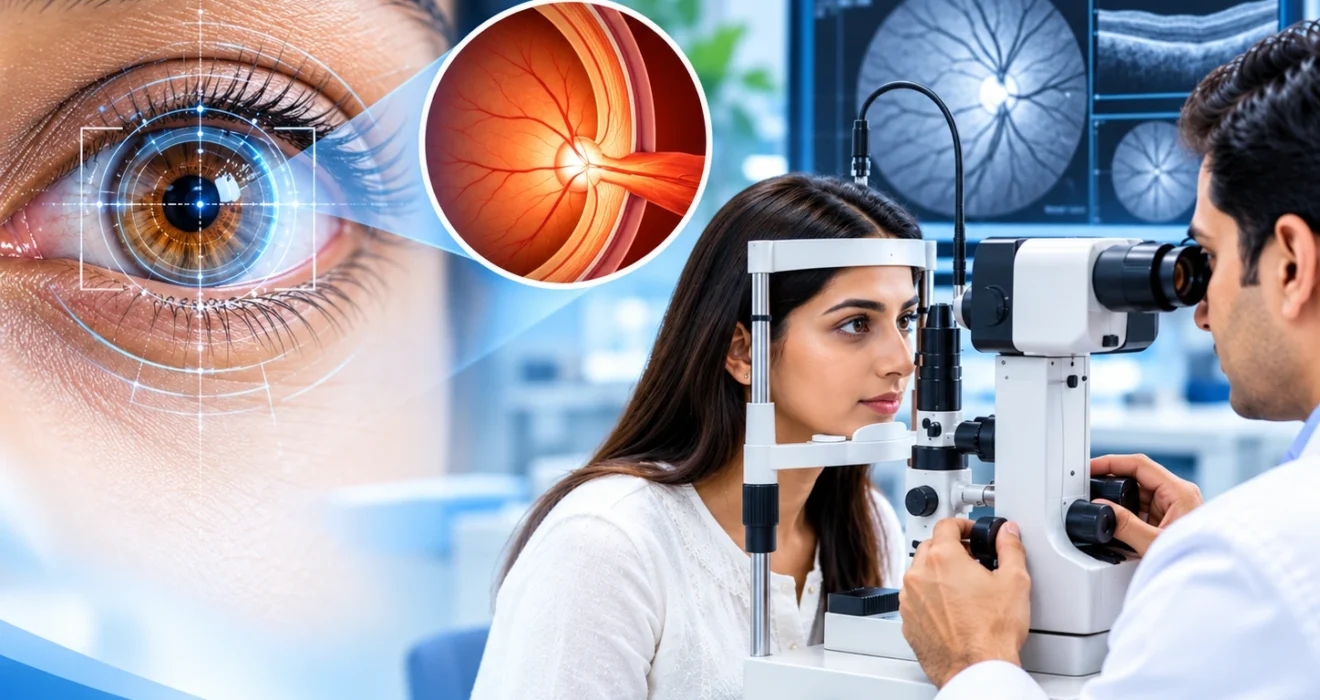
Glaucoma Test in Lucknow: 7 Signs You Need an Eye Pressure Check
Glaucoma Test in Lucknow: 7 Signs You Need an Eye Pressure Check
Glaucoma is one of those eye conditions that may develop quietly without giving clear warning signs in the beginning. In many patients, noticeable vision problems appear only after some damage has already occurred. This makes timely eye examinations especially important for people who are at higher risk.
If you are searching for a Glaucoma Test in Lucknow, a complete glaucoma evaluation may involve more than simply checking eye pressure. An ophthalmologist may examine the optic nerve, peripheral vision, drainage angle and other important parts of the eye to understand whether glaucoma is present or developing.
At Mansarovar Eye Hospital, patients can consult eye specialists for detailed eye examinations and further evaluation when required.
Below are seven situations in which getting checked for glaucoma may be worth considering.
What Is Glaucoma?
Glaucoma is a group of eye conditions that can damage the optic nerve. The optic nerve is responsible for carrying visual information from the eye to the brain.
One of the biggest concerns is that some common forms of glaucoma can progress gradually without obvious symptoms. A person may feel that their vision is normal while changes are already taking place.
According to the National Eye Institute, glaucoma can damage the optic nerve and may lead to vision loss if it is not detected and managed appropriately.
For this reason, a Glaucoma Test in Lucknow can be useful for people with risk factors even when they are not currently experiencing major vision problems.
1. Your Eye Pressure Is Higher Than Normal
One of the most commonly discussed risk factors for glaucoma is increased pressure inside the eye.
Eye pressure is usually checked through a test known as tonometry. The test helps an ophthalmologist measure intraocular pressure.
However, it is important to understand that high eye pressure does not always mean that a person has glaucoma.
Some people may have elevated pressure without optic nerve damage, while others may develop glaucoma even when their pressure is within the normal range.
Therefore, a Glaucoma Test in Lucknow should ideally involve a more complete evaluation rather than depending only on an eye pressure reading.
If you have previously been told that your eye pressure is high, regular follow-up examinations may be advised.
2. You Have a Family History of Glaucoma
Family history can increase the risk of developing glaucoma.
If a parent, sibling or close relative has glaucoma, it is useful to tell your ophthalmologist during your eye examination.
The doctor may recommend monitoring your eyes depending on factors such as age, eye pressure, optic nerve appearance and medical history.
People with a family history should not necessarily wait until symptoms develop before considering a Glaucoma Test in Lucknow.
Regular monitoring can make it easier to identify changes over time.
3. You Are Noticing Changes in Side Vision
Glaucoma can gradually affect peripheral or side vision.
This type of vision loss may be difficult to notice in its early stages because your central vision can remain clear.
You may eventually notice difficulty seeing objects positioned toward the sides or feel that your field of vision is becoming narrower.
A visual field examination is often used as part of glaucoma assessment.
If you are noticing unusual changes in side vision, visiting an eye specialist for a Glaucoma Test in Lucknow can help determine the possible cause.
4. You See Halos Around Lights
Halos around lights can occur for different reasons and do not always indicate glaucoma.
However, sudden halos accompanied by severe eye pain, blurred vision, eye redness, headache, nausea or vomiting may require immediate medical attention.
These symptoms can sometimes occur in acute angle-closure glaucoma.
The American Academy of Ophthalmology provides detailed information about glaucoma, its symptoms and different types.
If symptoms appear suddenly and are severe, do not wait for a routine appointment. Seek urgent eye care.
For non-emergency concerns and risk assessment, a Glaucoma Test in Lucknow can help your ophthalmologist understand whether further testing is required.
5. You Have Gradual Changes in Vision
Blurred or changing vision can have several causes.
It may be associated with:
- Refractive errors
- Cataract
- Retinal conditions
- Corneal problems
- Glaucoma
- Other eye disorders
Glaucoma may not always cause blurred vision in the early stages, so a proper eye examination is important before assuming the cause.
If your vision has gradually changed, especially when combined with high eye pressure or a family history of glaucoma, consider consulting an ophthalmologist.
A comprehensive Glaucoma Test in Lucknow can help rule out or identify glaucoma-related changes.
6. You Have Risk Factors for Glaucoma
Glaucoma testing is not limited only to people who already have symptoms.
Some individuals may have a higher risk and therefore benefit from regular eye examinations.
Possible risk factors can include:
- Increasing age
- Family history of glaucoma
- High intraocular pressure
- Previous eye injury
- Certain eye conditions
- Long-term use of steroid medicines
- Certain medical conditions
Having one of these factors does not mean you definitely have glaucoma.
It simply means that your ophthalmologist may want to examine your eyes more carefully or monitor them regularly.
For patients with known risk factors, scheduling a Glaucoma Test in Lucknow can be part of preventive eye care.
7. Your Eye Doctor Has Recommended Follow-Up Testing
Sometimes an ophthalmologist may notice findings that require monitoring even when glaucoma has not been confirmed.
For example, the doctor may find:
- Slightly raised eye pressure
- Suspicious optic nerve appearance
- Changes in visual field testing
- Differences between the two eyes
In these situations, follow-up examinations are important because glaucoma is often diagnosed by observing changes over time.
If your doctor has recommended repeat testing, try not to skip appointments.
Regular Glaucoma Test in Lucknow appointments can allow your ophthalmologist to compare previous and current results.
Which Tests Are Used to Detect Glaucoma?
Glaucoma evaluation may involve several tests depending on the patient.
Eye Pressure Test
Tonometry measures the pressure inside your eye.
It is an important glaucoma test, but pressure measurement alone cannot confirm or rule out every case.
Optic Nerve Examination
The ophthalmologist may examine the optic nerve to look for changes associated with glaucoma.
The optic nerve may also be photographed or scanned when necessary.
Visual Field Test
A visual field test checks peripheral vision.
It can identify areas where vision may have become weaker due to glaucoma or another condition.
Gonioscopy
Gonioscopy helps the ophthalmologist examine the drainage angle inside the eye.
It can help differentiate between open-angle and angle-closure forms of glaucoma.
OCT Scan
Optical Coherence Tomography, commonly called OCT, can provide detailed images of structures in the eye.
It may help the ophthalmologist evaluate the optic nerve and retinal nerve fibre layer.
Patients who need advanced glaucoma evaluation can also learn more about the available Glaucoma Services in Lucknow at Mansarovar Eye Hospital.
Watch: How Glaucoma Is Detected
Understanding glaucoma testing becomes easier when you can see how doctors check the eye for early signs of the condition. The National Eye Institute (NIH) explains how a comprehensive dilated eye examination can help detect glaucoma and why regular eye checkups are important for people at risk. YouTube
Is Eye Pressure Testing Alone Enough?
No.
This is one of the most important things patients should understand.
A person can have high eye pressure without glaucoma, while another person can develop glaucoma even with pressure readings that are not unusually high.
This is why a Glaucoma Test in Lucknow may include optic nerve evaluation, visual field testing and other investigations along with tonometry.
The decision regarding which tests are needed depends on the individual patient’s eyes and risk factors.
Why Is Early Glaucoma Detection Important?
Vision loss caused by glaucoma is generally permanent.
Treatment therefore focuses on slowing or preventing further optic nerve damage and preserving the vision that remains.
Depending on the type and stage of glaucoma, management may include:
- Eye drops
- Regular monitoring
- Laser treatment
- Surgical procedures
Earlier identification gives an ophthalmologist an opportunity to monitor the condition and start appropriate treatment when required.
That is why people with risk factors should not rely only on symptoms before getting their eyes examined.
Glaucoma Test in Lucknow at Mansarovar Eye Hospital
Mansarovar Eye Hospital provides eye examinations and glaucoma-related evaluation for patients in Lucknow and surrounding areas.
If you have raised eye pressure, glaucoma in your family or have been advised to undergo glaucoma screening, you can consult an eye specialist for further evaluation.
You can visit the hospital’s dedicated Glaucoma Treatment in Lucknow page to learn more about glaucoma diagnosis and treatment options.
A Glaucoma Test in Lucknow can help determine whether you require routine monitoring or further treatment based on your eye condition.
Who Should Consider a Glaucoma Test in Lucknow?
A Glaucoma Test in Lucknow may be useful for anyone who has been advised to monitor their eye pressure or optic nerve health. Glaucoma does not always cause noticeable symptoms in the beginning, so some people may need regular testing even when their eyesight feels normal.
People above a certain age, those with a family history of glaucoma, individuals with previously recorded high eye pressure, and patients who have had an eye injury may be advised to undergo more frequent eye examinations. Long-term use of steroid medicines can also be an important factor that your ophthalmologist may consider while assessing glaucoma risk.
A detailed Glaucoma Test in Lucknow can include eye pressure measurement, optic nerve evaluation, visual field testing and other investigations depending on the condition of the eyes. These tests help the ophthalmologist compare results over time and identify whether any changes are taking place.
People with diabetes, high blood pressure or other medical conditions should also discuss their overall eye health with an ophthalmologist, as regular comprehensive eye examinations may be recommended based on individual risk factors.
It is important to remember that glaucoma testing is not only for people who already have vision problems. Preventive eye examinations can be particularly valuable when risk factors are present.
If you have previously been told that your eye pressure is elevated or if glaucoma runs in your family, scheduling a Glaucoma Test in Lucknow can help you better understand your current eye health and whether continued monitoring is required.
At Mansarovar Eye Hospital, an ophthalmologist can assess your symptoms, medical history and eye condition before recommending the appropriate tests. A timely Glaucoma Test in Lucknow may help detect changes earlier and support proper long-term eye care.
When Should You Seek Immediate Eye Care?
Most glaucoma cases develop gradually, but some eye symptoms should not be ignored.
Seek urgent medical attention if you experience:
- Sudden severe eye pain
- Sudden loss or reduction of vision
- Redness with severe eye discomfort
- Severe headache with eye pain
- Halos around lights
- Nausea or vomiting associated with eye pain
These symptoms may indicate an eye emergency and require prompt evaluation by an ophthalmologist.
What Happens After a Glaucoma Test?
After a Glaucoma Test in Lucknow, the ophthalmologist reviews the results of your eye pressure, optic nerve examination, visual field test and any scans that may have been performed. The next step depends on whether your eyes appear normal, show early risk factors or already have signs of glaucoma.
If all test results are within a healthy range, the doctor may simply advise routine eye checkups at suitable intervals. Patients with slightly raised eye pressure or suspicious optic nerve changes may need closer monitoring. In such cases, repeat testing helps the doctor compare results over time and identify whether the condition is stable or progressing.
For some patients, a Glaucoma Test in Lucknow may reveal changes that require treatment. Depending on the type and stage of glaucoma, the ophthalmologist may recommend eye drops, laser treatment, surgery or regular follow-up examinations. The treatment plan is usually decided according to the individual condition of the patient.
It is also important to continue follow-up visits even when vision feels normal. Glaucoma can progress without noticeable symptoms, so regular monitoring helps detect changes that may not be obvious in daily life.
Patients who have a family history of glaucoma, previously recorded high eye pressure or other risk factors should follow the schedule advised by their eye specialist. A timely Glaucoma Test in Lucknow can help establish a baseline, making future comparisons easier.
If you are unsure whether you need testing, an ophthalmologist can assess your risk factors and recommend the right examination schedule. Regular eye care and appropriate Glaucoma Test in Lucknow follow-up can support better long-term vision management.
Frequently Asked Questions
Is a Glaucoma Test in Lucknow painful?
Most routine glaucoma examinations are quick and generally well tolerated. Your ophthalmologist will explain the tests that are required for your eyes.
Can glaucoma occur with normal eye pressure?
Yes. Some people can develop optic nerve damage even when their eye pressure does not appear unusually high.
Can glaucoma be cured completely?
Existing damage to the optic nerve generally cannot be reversed. However, proper treatment can help slow further damage and protect remaining vision.
How often should glaucoma testing be done?
The frequency depends on your age, eye health, family history and other risk factors. An ophthalmologist can suggest an appropriate examination schedule.
Who should consider a Glaucoma Test in Lucknow?
People with raised eye pressure, family history of glaucoma, previous eye injuries or other glaucoma risk factors should discuss testing with an ophthalmologist.
Conclusion
Glaucoma can develop without obvious warning signs, which is why regular eye examinations are important, particularly for people at increased risk.
If you have high eye pressure, glaucoma in your family, changes in peripheral vision or have been advised to undergo regular monitoring, a Glaucoma Test in Lucknow can help evaluate your eye health.
Early diagnosis cannot restore vision that has already been lost, but timely treatment may help protect remaining vision and reduce the risk of further damage.
For evaluation and specialist eye care, you can consult the ophthalmology team at Mansarovar Eye Hospital.