
Cataract Surgery in Lucknow
Cataract Surgery in Lucknow is a safe and effective treatment for vision loss caused by a cloudy natural lens. The lens is a transparent structure inside the eye that focuses incoming light onto the retina, helping us see clearly. When this lens becomes cloudy, it is known as a cataract.
Cataracts commonly develop with age, but they may also occur because of diabetes, eye injuries, long-term steroid use, or certain eye conditions. In the early stages, changes in glasses may improve vision. However, when a cataract starts affecting daily activities, cataract surgery may be recommended.What Is Cataract?
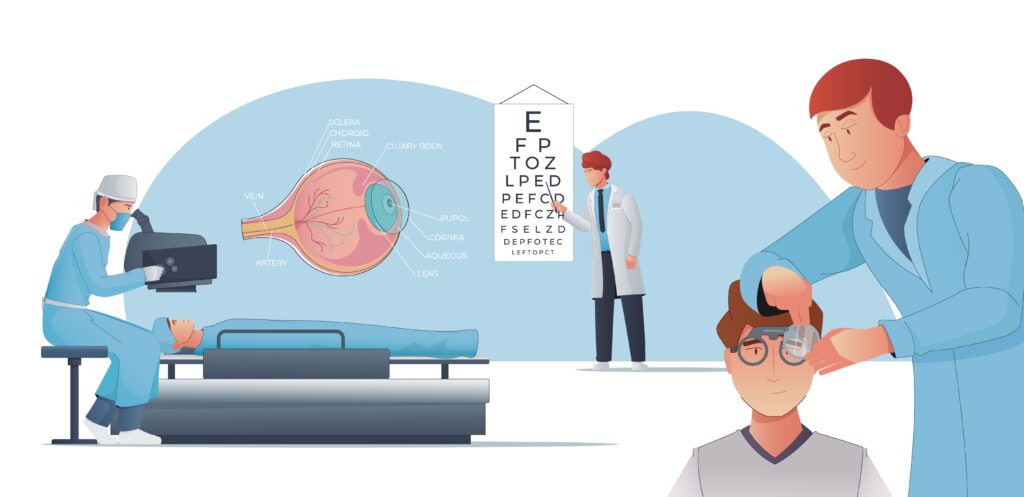
The human eye works in a way that is similar to a camera. Just as a camera uses a lens to focus an image, the eye uses its natural lens to focus light onto the retina.
A healthy lens is clear and transparent. With cataract formation, the lens gradually becomes cloudy. This prevents light from passing through normally and can lead to blurred or reduced vision.
Cataracts usually develop gradually. Therefore, many people may not notice significant changes in their vision during the early stages.
What Are the Symptoms of Cataract?
Cataract symptoms can vary depending on the location and severity of the cloudy lens. Common symptoms include:
- Blurred or cloudy vision
- Increased glare from bright lights
- Difficulty seeing at night
- Difficulty reading in low light
- Faded or less vibrant colours
- Frequent changes in glasses prescription
- Difficulty recognising faces
- Double vision in some cases
- Reduced clarity while driving or performing routine activities
Cataracts generally do not cause pain, redness, or irritation. However, sudden changes in vision or significant eye discomfort should be assessed by an eye specialist.
Why Does Cataract Develop?
Age-related changes in the natural lens are the most common cause of cataract. As we grow older, changes in the lens can gradually reduce its transparency.
Other factors that may contribute to cataract formation include:
Age-Related Changes
Most cataracts are associated with the natural aging process. The lens gradually becomes less transparent, affecting the quality of vision.
Diabetes
People with diabetes may have a higher risk of developing cataracts. Regular eye examinations and appropriate diabetes management are important for maintaining eye health.
Eye Injury
An injury to the eye can damage the natural lens and cause a traumatic cataract. The clouding may develop soon after the injury or at a later stage.
Long-Term Steroid Use
Prolonged use of corticosteroid medicines can increase the risk of certain types of cataracts. Patients using these medicines should follow their doctor's advice and attend regular eye check-ups.
Congenital or Childhood Cataract
Some cataracts are present at birth or develop during childhood. Early evaluation is important because cataracts can interfere with normal visual development.
Can Cataract Be Prevented?
There is currently no proven medicine or eye drop that can reverse an established cataract. However, maintaining good overall health and protecting the eyes from injury and excessive ultraviolet exposure can support long-term eye health.
During the early stages, an updated glasses prescription may help improve vision. However, glasses cannot remove the cloudy lens.
When cataract-related vision problems begin to interfere with everyday activities, your ophthalmologist may recommend surgery.
When Should Cataract Surgery Be Done?
Cataract surgery is generally considered when reduced vision starts affecting your daily life, work, mobility, or other important activities.
It is not usually necessary to wait until the cataract becomes fully mature. Modern surgical techniques allow ophthalmologists to treat cataracts before they become extremely advanced.
You may consider a cataract evaluation if you have difficulty with:
- Reading books or newspapers
- Driving, particularly at night
- Recognising faces
- Using a computer or smartphone
- Working comfortably
- Walking safely
- Performing household activities
The appropriate timing of surgery depends on your visual needs, eye health, lifestyle, and the recommendation of your ophthalmologist.
What Is the Best Season for Cataract Surgery?
Cataract surgery can generally be performed throughout the year. There is no medical requirement to wait for winter or another particular season.
Instead, the timing should be based on your vision and the clinical recommendation of your eye specialist. Proper pre-operative evaluation, surgical planning, and post-operative care are more important than the season.
What Can You Expect from Cataract Surgery?
Modern cataract surgery aims to remove the cloudy natural lens and replace it with a clear artificial lens known as an intraocular lens (IOL).
Many patients experience significant improvement in vision following successful surgery. However, the final visual outcome depends on several factors, including the health of the retina, optic nerve, cornea, and other structures of the eye.
Conditions such as glaucoma, diabetic retinopathy, macular disorders, or other retinal diseases may also affect vision. Cataract surgery removes the cloudy lens but cannot reverse vision loss caused by another eye condition.
For this reason, a detailed eye examination before surgery is important for identifying other conditions and setting appropriate expectations.
What Are the Modern Cataract Surgery Techniques?
Advances in ophthalmic technology have made cataract surgery more precise and comfortable. The appropriate surgical technique depends on the type and density of the cataract, the condition of the eye, and the surgeon's assessment.
Modern cataract procedures may include:
- Phacoemulsification
- Small-incision cataract surgery
- Intraocular lens implantation
- Advanced IOL options for suitable patients
Your ophthalmologist will recommend the most appropriate technique after examining your eyes.
What Is Phacoemulsification?
Phacoemulsification is a commonly used modern cataract surgery technique. During the procedure, the cloudy natural lens is broken into small fragments using controlled ultrasound energy.
The fragments are then removed through a small incision. Once the cloudy lens has been removed, an artificial intraocular lens is placed inside the eye.
The small incision used in phacoemulsification often allows the wound to seal without stitches. It can also support a relatively quick recovery in suitable patients.
The recovery period varies depending on the patient's eye condition, surgical technique, and the presence of other eye diseases.
What Is Stitchless Cataract Surgery?
Stitchless cataract surgery refers to a cataract procedure performed through a small incision that generally does not require sutures.
Phacoemulsification is commonly performed using a small self-sealing incision. After the cloudy lens is removed, an IOL is placed inside the eye.
Not every cataract is identical. Very dense or advanced cataracts may require a different surgical approach. Therefore, the final technique should always be selected after a comprehensive examination.
What Is an Intraocular Lens?
An intraocular lens (IOL) is an artificial lens that is implanted inside the eye after the cloudy natural lens has been removed.
Different types of IOLs are available, and the appropriate option depends on your eye measurements, lifestyle, visual requirements, and overall eye health.
Depending on individual suitability, options may include:
- Monofocal IOLs
- Multifocal IOLs
- Trifocal IOLs
- Toric IOLs
- Other advanced IOL technologies
Your ophthalmologist will explain the available choices and help you select an appropriate lens based on your visual needs.
Cataract Surgery Recovery
Recovery after cataract surgery varies from person to person. Many patients notice improved vision as the eye heals, although the time required for complete recovery can differ.
After surgery, it is important to:
- Use prescribed eye drops as directed
- Avoid rubbing or pressing the operated eye
- Attend scheduled follow-up appointments
- Follow your surgeon's activity instructions
- Protect the eye as recommended
Your ophthalmologist will provide personalised post-operative instructions according to your condition and surgical procedure.
Cataract Surgery in Lucknow at Mansarovar Eye Hospital
At Mansarovar Eye Hospital, cataract care begins with a comprehensive examination to assess the cataract and evaluate the overall health of the eye. Based on the findings, the ophthalmologist can recommend the appropriate surgical technique and IOL for your individual needs.
The treatment process may include:
- Comprehensive eye examination
- Cataract evaluation
- Detailed eye measurements
- IOL selection
- Cataract surgery
- Post-operative monitoring and follow-up care
The goal of Cataract Surgery in Lucknow is to address vision loss caused by the cloudy natural lens and help suitable patients achieve clearer functional vision.
If blurred vision, glare, difficulty reading, or poor night vision is affecting your daily activities, schedule a comprehensive eye examination to determine whether cataract surgery is appropriate for you.