
Uveitis Services In Lucknow
Best Uveitis Services in Lucknow focus on the diagnosis, evaluation, treatment, and ongoing management of uveitis and other forms of inflammation affecting the eye. Uveitis can affect different parts of the eye and may develop suddenly or gradually. Depending on the underlying cause and severity, it can lead to symptoms such as eye redness, pain, light sensitivity, blurred vision, floaters, or reduced vision.
Timely evaluation by an experienced eye specialist is important because untreated or poorly controlled inflammation may affect important structures of the eye and can sometimes lead to complications. At Mansarovar Eye Hospital, patients can seek professional evaluation for uveitis and related inflammatory eye conditions.
What Is Uveitis?
Uveitis is inflammation involving the uvea, a part of the eye that includes the iris, ciliary body, and choroid. However, inflammation can also involve other parts of the eye, so the term uveitis is often used broadly for several inflammatory eye conditions.
Uveitis can affect one or both eyes. It may occur at any age and can have different causes. In some cases, the exact cause may not be identified immediately.
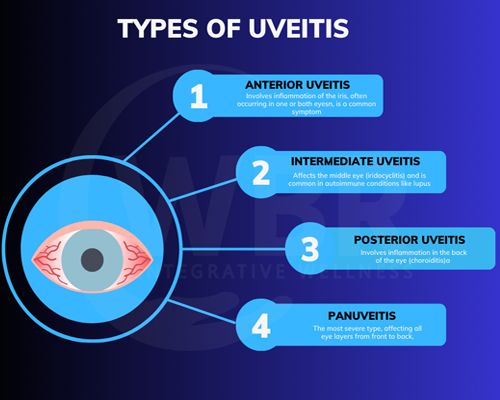
Depending on which part of the eye is affected, uveitis can be classified into different types, including anterior uveitis, intermediate uveitis, posterior uveitis, and panuveitis.
Types of Uveitis
Understanding the type and location of inflammation is an important part of uveitis evaluation.
Anterior Uveitis
Anterior uveitis affects the front portion of the eye and is one of the more common forms of uveitis. It may cause eye redness, pain, blurred vision, and sensitivity to light.
Some cases may develop suddenly, while others can recur or persist over time. Appropriate examination and treatment are important to control inflammation and reduce the risk of complications.
Intermediate Uveitis
Intermediate uveitis primarily affects structures around the vitreous and the middle portion of the eye. Floaters and blurred vision may occur.
Because intermediate inflammation can sometimes be associated with retinal or vitreous changes, detailed examination and appropriate monitoring may be required.
Posterior Uveitis
Posterior uveitis affects structures toward the back of the eye, including the retina and choroid. Symptoms can include blurred vision, floaters, visual disturbances, or reduced vision.
Posterior inflammation may have several possible causes and requires careful examination to identify the affected structures and determine appropriate management.
Panuveitis
Panuveitis occurs when inflammation affects multiple parts of the eye, including the anterior, intermediate, and posterior segments.
This form may require comprehensive evaluation and close monitoring because inflammation can involve several important structures responsible for vision.
Symptoms of Uveitis
Uveitis symptoms can vary depending on the type and severity of inflammation. Common symptoms may include:
- Eye redness
- Eye pain or discomfort
- Blurred vision
- Sensitivity to light
- Floaters
- Reduced vision
- Dark spots or shadows in the field of vision
- Changes in visual clarity
- Watery eyes
Some forms of uveitis may develop with few noticeable symptoms, particularly when the inflammation affects areas toward the back of the eye. This is one reason professional eye examinations can be important when uveitis is suspected.
If you experience sudden vision changes, significant eye pain, severe redness, or new visual disturbances, you should seek prompt medical evaluation.
What Causes Uveitis?
Uveitis can have many possible causes. In some patients, it may be associated with an autoimmune or inflammatory condition. In other cases, an infection, injury, medication-related reaction, or another underlying condition may contribute to inflammation.
Possible causes or associations may include:
- Autoimmune and inflammatory conditions
- Certain infections
- Eye injuries
- Inflammatory diseases affecting other parts of the body
- Certain systemic conditions
- Other eye disorders
In some cases, no specific cause is identified even after evaluation. Your ophthalmologist may recommend additional investigations when the medical history and examination suggest that further evaluation is appropriate.
Uveitis Diagnosis in Lucknow
Accurate diagnosis is an important part of Uveitis Services in Lucknow. The ophthalmologist usually begins by discussing symptoms, medical history, previous eye problems, medications, and any relevant systemic health concerns.
A detailed eye examination may then be performed to identify inflammation and determine which parts of the eye are affected.
Depending on the findings, diagnostic evaluation may include:
- Visual acuity testing
- Slit-lamp examination
- Dilated eye examination
- Intraocular pressure measurement
- Retinal examination
- OCT when clinically indicated
- Fundus imaging
- Other investigations based on the suspected cause
Additional laboratory or medical investigations may sometimes be recommended when an underlying systemic or infectious cause needs to be evaluated.
Why Early Uveitis Treatment Matters
Eye inflammation should not be ignored, particularly when symptoms involve pain, redness, blurred vision, or reduced eyesight.
Inflammation can affect different structures of the eye. If it is severe, prolonged, or recurrent, complications may develop. These may include increased eye pressure, cataract, retinal or macular changes, or other vision-related problems.
Early diagnosis allows the ophthalmologist to understand the condition and determine whether treatment, monitoring, or further investigation is required.
Uveitis Treatment in Lucknow
The treatment of uveitis depends on its cause, location, severity, and associated complications. There is no single treatment that is appropriate for every patient.
Treatment may involve medicines designed to reduce inflammation, manage symptoms, treat an underlying infection when present, or control associated complications.
Steroid-Based Treatment
Corticosteroids are commonly used in the management of many inflammatory eye conditions. Depending on the location and severity of inflammation, treatment may involve eye drops, injections, tablets, or other forms of administration.
The appropriate medicine and dosage should be determined by an eye specialist. Patients should not start, stop, or change steroid treatment without medical guidance.
Eye Drops
For some forms of anterior uveitis, prescription eye drops may be used to control inflammation and manage associated symptoms.
The duration and frequency of treatment depend on the individual condition. Regular follow-up may be necessary to assess whether inflammation is improving and whether treatment needs adjustment.
Injections
In certain situations, an ophthalmologist may consider an injection around or inside the eye. This approach may be used when inflammation involves deeper structures or when local treatment is clinically appropriate.
The decision depends on the diagnosis, severity, previous response to treatment, and other patient-specific factors.
Systemic Treatment
Some patients may require medicines that work throughout the body, particularly when uveitis is associated with a systemic inflammatory or autoimmune condition.
Such treatment may require coordination between an ophthalmologist and other medical specialists depending on the underlying condition.
Uveitis and Retina Care
Certain forms of uveitis can involve the retina, vitreous, or macula. Inflammation in these areas may affect central vision or cause floaters and other visual disturbances.
OCT and retinal imaging may be useful in selected patients to evaluate retinal or macular changes and monitor response to treatment.
Patients experiencing persistent floaters, blurred vision, or distortion should undergo appropriate examination rather than assuming that the symptoms are caused by a simple vision problem.
Uveitis and Cataract
Long-standing inflammation and certain treatments may be associated with cataract development in some patients. Cataract can cause gradually increasing blurred vision, glare, and difficulty seeing clearly.
If cataract develops along with uveitis, the ophthalmologist may first focus on controlling inflammation and then determine whether cataract surgery is appropriate.
The timing of any surgical procedure depends on the patient’s individual condition and level of inflammation.
Uveitis and Eye Pressure
Inflammation can sometimes affect intraocular pressure. Some medicines used to treat inflammation can also influence eye pressure in certain patients.
For this reason, monitoring eye pressure may form an important part of follow-up care for people receiving treatment for uveitis.
Regular examinations help the ophthalmologist identify changes early and modify the treatment plan when required.
Why Choose Mansarovar Eye Hospital for Uveitis Care?
Choosing an appropriate eye care centre is important when dealing with inflammatory eye conditions. Mansarovar Eye Hospital provides eye consultation and evaluation for patients experiencing symptoms associated with uveitis and other eye conditions.
The focus is on detailed examination, identifying the affected structures, understanding possible causes, and developing an appropriate management plan based on individual clinical findings.
Patients may also require follow-up examinations to monitor inflammation and assess vision, eye pressure, retinal health, and response to treatment.
When Should You Visit an Eye Specialist?
You should consider consulting an eye specialist if you experience:
- Persistent eye redness
- Eye pain
- Increased sensitivity to light
- Blurred or reduced vision
- New floaters
- Visual disturbances
- Recurrent episodes of eye inflammation
- Unexplained changes in vision
People who have a known inflammatory or autoimmune condition may also benefit from regular eye examinations as recommended by their doctor.
Sudden or significant vision loss should be treated as an urgent concern and evaluated promptly.
Importance of Follow-Up During Uveitis Treatment
Uveitis may improve with treatment, but some cases can recur or require long-term monitoring. Stopping treatment too early or changing medication without medical advice may allow inflammation to return.
Follow-up appointments allow the ophthalmologist to check whether the inflammation is controlled and whether any complications are developing.
Patients should follow the prescribed treatment schedule and report any new or worsening symptoms to their eye specialist.
Frequently Asked Questions About Uveitis
Is uveitis a serious eye condition?
Uveitis can range from mild to severe depending on the type, cause, and structures involved. Prompt diagnosis and appropriate treatment can help manage inflammation and reduce the risk of complications.
Can uveitis cause blurred vision?
Yes. Uveitis may cause blurred or reduced vision, particularly when inflammation affects the vitreous, retina, or macula.
Can uveitis be completely cured?
The outcome depends on the underlying cause. Some episodes may resolve with appropriate treatment, while other forms can recur or require long-term management.
Is uveitis contagious?
Uveitis itself is not generally considered contagious. However, certain infections that may be associated with eye inflammation can be transmissible. The specific cause needs to be evaluated by a medical professional.
Can uveitis come back?
Yes. Some forms of uveitis can recur. Regular follow-up and appropriate management can help monitor for recurrence.
Should I stop my eye drops when my symptoms improve?
Do not stop prescribed treatment without consulting your ophthalmologist. Symptoms may improve before the underlying inflammation has completely resolved.
Best Uveitis Services in Lucknow
Uveitis requires careful evaluation because inflammation can affect different parts of the eye and may have different underlying causes. Timely consultation, appropriate diagnosis, treatment, and follow-up can help protect vision and manage the condition effectively.
If you are looking for Best Uveitis Services in Lucknow, Mansarovar Eye Hospital offers professional consultation and evaluation for patients experiencing symptoms of eye inflammation.
Whether you have eye redness, pain, light sensitivity, floaters, blurred vision, or a previously diagnosed inflammatory eye condition, an eye specialist can evaluate your eyes and recommend the appropriate next steps.
Do not ignore persistent or sudden changes in your vision. Contact Mansarovar Eye Hospital, Lucknow for an eye examination and appropriate uveitis care based on your individual needs.