
Intra Ocular Lens treatment in Lucknow
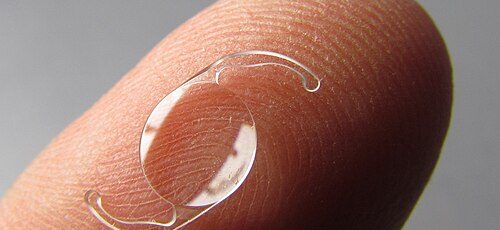
Intra Ocular Lens Treatment in Lucknow is an important part of modern cataract care for patients whose natural eye lens has become cloudy and is affecting their vision. An Intra Ocular Lens, commonly known as an IOL, is an artificial lens implanted inside the eye during cataract surgery to replace the cloudy natural lens.
The right IOL can help restore clear vision and may reduce dependence on spectacles, depending on the type of lens selected and the patient's individual eye condition.
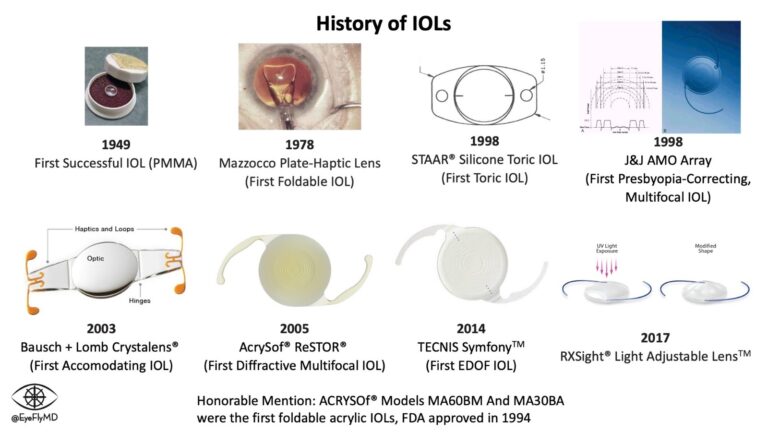
At Mansarovar Eye Hospital, IOL selection is based on a detailed evaluation of the patient's eyes, visual requirements, lifestyle, and overall cataract condition. Different IOL options are available, including monofocal, multifocal, trifocal, EDOF, and toric lenses. An experienced ophthalmologist can help patients understand these options and choose a lens that matches their visual needs.
If you are searching for Intra Ocular Lens Treatment in Lucknow, a comprehensive eye examination is the first step toward determining which IOL may be suitable for you.
What Is an Intra Ocular Lens?
An Intra Ocular Lens is a small artificial lens that is placed inside the eye to replace the natural lens removed during cataract surgery. The natural lens normally focuses light onto the retina, allowing the brain to form a clear image. When cataracts develop, the natural lens becomes cloudy, which can cause blurred or hazy vision.
During cataract surgery, the cloudy natural lens is removed and replaced with an IOL. The artificial lens is designed to remain inside the eye and perform the focusing function of the natural lens.
IOLs are available in different designs and powers. The appropriate lens depends on factors such as the patient's eye measurements, corneal condition, retinal health, existing spectacle power, astigmatism, lifestyle, and visual expectations.
Why Is IOL Treatment Needed?
Cataracts are one of the common causes of vision problems, particularly with increasing age. A cataract can gradually make vision cloudy and may interfere with everyday activities.
Common symptoms associated with cataracts include:
- Blurred or cloudy vision
- Difficulty reading
- Difficulty seeing clearly at night
- Increased sensitivity to bright lights
- Halos around lights
- Faded or less vivid colours
- Frequent changes in spectacle power
- Difficulty driving
- Problems recognizing faces clearly
When a cataract begins to significantly affect vision and daily activities, cataract surgery may be recommended. During this procedure, the cloudy natural lens is replaced with an artificial intra ocular lens.
How Does an Intra Ocular Lens Improve Vision?
The natural lens plays an important role in focusing light inside the eye. A cataract makes this lens cloudy, reducing the quality of light reaching the retina.
During cataract surgery, the cloudy lens is removed. The IOL then provides the optical focusing function required after removal of the natural lens.
Before surgery, detailed measurements of the eye are performed to calculate the appropriate IOL power. Accurate measurements help the surgeon select a lens according to the patient's visual requirements.
The final quality of vision can also depend on the health of other parts of the eye, including the cornea, retina, macula, and optic nerve. Therefore, an eye examination is essential before selecting an IOL.
Types of Intra Ocular Lenses
Different types of IOLs are available for different visual requirements. Your ophthalmologist can recommend an appropriate option after examining your eyes and understanding your lifestyle.
1. Monofocal IOL
A monofocal IOL is designed to provide clear vision at one primary distance, usually distance vision.
Patients with monofocal lenses may still need spectacles for reading or other near activities. Monofocal IOLs are commonly used and can be a suitable choice for patients who prioritize clear distance vision.
2. Multifocal IOL
A multifocal IOL is designed to provide vision at multiple distances. It may help some patients reduce their dependence on spectacles for distance and near activities.
However, multifocal lenses are not suitable for every patient. A detailed eye examination and discussion about expectations are important before choosing this option.
3. Trifocal IOL
A trifocal IOL is designed to provide useful vision at distance, intermediate, and near ranges.
This can be beneficial for people who regularly perform activities at different distances, such as reading, using smartphones, working on computers, watching television, or driving.
The suitability of a trifocal lens depends on the overall health of the eye and the patient's expectations.
4. EDOF IOL
EDOF stands for Extended Depth of Focus. These lenses are designed to provide an extended range of functional vision.
They can be considered for patients who want good distance and intermediate vision while potentially reducing their dependence on glasses for selected activities.
5. Toric IOL
A toric IOL is designed for patients with corneal astigmatism.
Astigmatism can cause blurred or distorted vision. A toric lens can help address corneal astigmatism when appropriately selected and positioned.
Accurate preoperative measurements are particularly important when considering a toric IOL.
Benefits of Intra Ocular Lens Treatment
Choosing an appropriate IOL during cataract surgery can provide several potential benefits.
Improved Visual Clarity
Replacing a cloudy natural lens with a clear artificial lens can improve the clarity of vision affected by cataracts.
Better Quality of Daily Life
Improved vision may make activities such as reading, watching television, using a mobile phone, recognizing faces, walking, and performing routine tasks easier.
Reduced Dependence on Spectacles
Some premium IOLs are designed to reduce dependence on glasses for certain distances. However, complete freedom from spectacles cannot be guaranteed for every patient.
Correction of Refractive Requirements
The IOL power can be selected according to the measurements of the eye, helping address the patient's refractive requirements after cataract surgery.
Astigmatism Management
For suitable patients, toric IOLs can help reduce the visual effects of corneal astigmatism.
Long-Term Lens Solution
IOLs are generally designed to remain inside the eye permanently after cataract surgery and do not normally require routine replacement.
Who May Need Intra Ocular Lens Treatment?
Most patients undergoing cataract surgery receive an IOL because the cloudy natural lens needs to be replaced.
The ophthalmologist may evaluate:
- Cataract severity
- Age and eye health
- Corneal condition
- Retina and macula health
- Optic nerve health
- Existing spectacle power
- Astigmatism
- Lifestyle and occupation
- Reading requirements
- Computer usage
- Driving requirements
- Expectations regarding spectacles
The selection of an IOL should be personalized rather than based solely on the price or popularity of a particular lens.
The IOL is implanted as part of cataract surgery. The treatment process generally includes several stages.
Comprehensive Eye Examination
The first step is a detailed examination of the eye. The ophthalmologist checks the cataract and evaluates other important structures of the eye.
Eye Measurements
Special measurements are taken to calculate the appropriate IOL power. These measurements are important for selecting the right lens.
Choosing the IOL
Based on the examination, measurements, lifestyle, and visual requirements, the ophthalmologist discusses suitable IOL options with the patient.
Cataract Surgery
During cataract surgery, the cloudy natural lens is removed using a modern surgical technique.
IOL Implantation
After removing the cataract, the selected intra ocular lens is placed inside the eye in the appropriate position.
Postoperative Care
After surgery, prescribed eye drops and follow-up visits help monitor healing and visual recovery. Patients should carefully follow the instructions provided by their ophthalmologist.
Recovery After IOL Surgery
Recovery varies from one patient to another. Many patients experience improvement in vision relatively soon after cataract surgery, although vision may continue to stabilize during the recovery period.
Patients should follow all postoperative instructions provided by their doctor.
These may include:
- Using prescribed eye drops regularly
- Avoiding rubbing or pressing the eye
- Attending follow-up appointments
- Protecting the eye as advised
- Following instructions regarding physical activities
- Reporting sudden or unusual vision changes promptly
Every patient has different healing requirements, so postoperative instructions should be followed according to the treating ophthalmologist's advice.
Is Intra Ocular Lens Permanent?
In most cataract surgeries, the IOL is designed to remain inside the eye permanently.
An IOL does not normally need to be removed or replaced simply because several years have passed. However, some patients can develop posterior capsule opacification, which may cause vision to become cloudy again after cataract surgery.
This condition is not the original cataract returning. If treatment is required, it can often be managed with a YAG laser procedure.
Intra Ocular Lens Cost in Lucknow
The Intra Ocular Lens cost in Lucknow varies depending on the type of lens, lens technology, surgical technique, diagnostic requirements, and other factors related to the patient's treatment.
As a broad indicative range, cataract surgery with an IOL in Lucknow may cost approximately ₹25,000 to ₹1,50,000 or more per eye. The actual cost can vary considerably depending on whether a standard monofocal or premium IOL is selected.
Premium IOLs such as multifocal, trifocal, EDOF, and toric lenses may have a higher cost than standard monofocal lenses.
The final treatment cost may depend on:
- Type and technology of IOL
- IOL brand
- Cataract surgery technique
- Preoperative diagnostic tests
- Surgeon and hospital charges
- Medicines
- Follow-up care
- Additional eye conditions or treatment requirements
Because prices and treatment packages can change, patients should contact Mansarovar Eye Hospital in Lucknow for the latest cost information after an eye examination.
How to Choose the Best IOL?
There is no single IOL that is best for every patient.
The ideal choice depends on your individual eye condition and visual requirements. A patient who primarily wants clear distance vision may be comfortable with a monofocal IOL, while someone who wants to reduce dependence on glasses at different distances may discuss premium IOL options.
Patients with astigmatism may also benefit from discussing toric IOLs with their ophthalmologist.
The decision should be made after considering eye health, lifestyle, visual expectations, and the potential benefits and limitations of each lens.
Why Choose Mansarovar Eye Hospital for IOL Treatment in Lucknow?
Selecting an experienced eye care centre is an important part of cataract and IOL treatment.
At Mansarovar Eye Hospital, patients can undergo a comprehensive eye evaluation and discuss their cataract and IOL options with an ophthalmology team.
The treatment process focuses on appropriate diagnosis, detailed eye measurements, suitable IOL selection, cataract surgery, and postoperative follow-up.
Whether you are considering a standard monofocal IOL or a premium lens such as a toric, multifocal, trifocal, or EDOF IOL, the appropriate option should be selected according to your individual eye condition and visual requirements.
Frequently Asked Questions About Intra Ocular Lens Treatment in Lucknow
What is Intra Ocular Lens treatment?
Intra Ocular Lens treatment generally refers to implantation of an artificial lens inside the eye, most commonly during cataract surgery after the cloudy natural lens has been removed.
Which IOL is best for cataract surgery?
The best IOL varies from patient to patient. Monofocal, multifocal, trifocal, EDOF, and toric lenses have different features. Your ophthalmologist can recommend a suitable option after examining your eyes.
Can an IOL eliminate glasses?
Some premium IOLs may reduce dependence on glasses for certain activities and distances. However, complete freedom from spectacles is not guaranteed for every patient.
How long does an IOL last?
An IOL is generally designed to remain inside the eye permanently after implantation.
What is the cost of Intra Ocular Lens treatment in Lucknow?
The cost varies depending on the IOL type, surgical procedure, technology, and individual treatment requirements. A broad indicative range may be around ₹25,000 to ₹1,50,000 or more per eye. Patients should confirm the current cost during consultation.
Is IOL surgery safe?
Modern cataract surgery with IOL implantation is a commonly performed procedure. However, like any surgery, it can have potential risks. A detailed examination and discussion with an ophthalmologist are important before treatment.
Book Your Intra Ocular Lens Consultation in Lucknow
If you are experiencing blurred vision, cloudy vision, difficulty reading, night-vision problems, or other symptoms associated with cataracts, timely evaluation can help determine whether cataract surgery and an intra ocular lens may be appropriate.
Mansarovar Eye Hospital provides comprehensive cataract and Intra Ocular Lens care in Lucknow, with IOL options selected according to the patient's eye health, lifestyle, and visual requirements.
Looking for Intra Ocular Lens Treatment in Lucknow? Book your eye consultation at Mansarovar Eye Hospital today. Discuss your cataract condition, explore suitable IOL options, understand the expected visual outcome, and get information about the latest treatment cost.
Contact Mansarovar Eye Hospital Today
- Get a comprehensive cataract evaluation
- Discuss suitable IOL options
- Understand standard and premium lens choices
- Ask about Intra Ocular Lens cost in Lucknow
- Discuss your visual requirements with an ophthalmologist
- Plan your cataract treatment with appropriate guidance