
Best Floaters & Flashers Treatment in Lucknow
Floaters & Flashers Treatment in Lucknow is important for people experiencing spots, lines, cobweb-like shapes, flashes of light, or sudden changes in vision. Although floaters and flashes can sometimes occur due to normal changes inside the eye, they may also be associated with conditions affecting the retina. Therefore, timely eye examination is essential, especially when symptoms appear suddenly or become more frequent.
At Mansarovar Eye Hospital, patients can receive comprehensive eye evaluation and retinal care for floaters, flashes, and related eye conditions. A detailed examination helps identify the possible cause of symptoms and allows the ophthalmologist to recommend appropriate management based on the patient's eye health.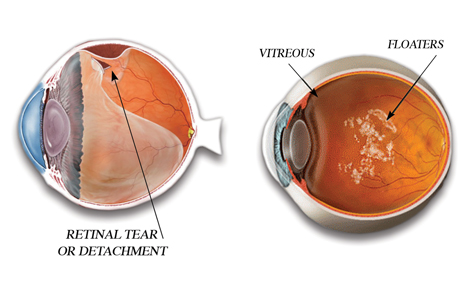
What Are Eye Floaters?
Eye floaters are small spots, threads, lines, circles, or cobweb-like shapes that appear to move across your field of vision. They may be more noticeable when looking at a bright background, such as a clear sky, white wall, or computer screen.
Floaters are usually caused by changes in the vitreous, the gel-like substance that fills the inside of the eye. As the vitreous changes with age, small strands or particles can cast shadows on the retina. These shadows may appear as moving spots or shapes.
Occasional floaters may not indicate a serious problem. However, a sudden increase in floaters should not be ignored because it can sometimes occur with a retinal tear or retinal detachment.
What Are Eye Flashes?
Eye flashes are brief flashes, streaks, sparks, or flashes of light that may appear even when there is no actual source of light.
Flashes can occur when the vitreous gel inside the eye pulls on the retina. They may be more noticeable in dark surroundings or when moving the eyes.
While flashes can have several causes, sudden or new flashes should be evaluated by an eye specialist. A retinal examination can help determine whether there is any problem requiring urgent attention.
Floaters and Flashes: Why Should You Get an Eye Examination?
Floaters and flashes can have different causes. In some cases, they are related to normal age-related changes. However, they can also be associated with conditions involving the vitreous or retina.
A comprehensive examination can help the ophthalmologist assess:
- The vitreous gel
- The retina
- The optic nerve
- The macula
- The peripheral retina
- Signs of retinal tears
- Signs of retinal detachment
- Other retinal abnormalities
Early evaluation is particularly important when symptoms develop suddenly.
Common Causes of Eye Floaters and Flashes
Several conditions and changes inside the eye may cause floaters or flashes.
Age-Related Vitreous Changes
As people get older, the vitreous gel can become more liquid and may pull away from the retina. This process can lead to the appearance of new floaters or flashes.
Posterior Vitreous Detachment
Posterior vitreous detachment, commonly known as PVD, occurs when the vitreous separates from the retina. It is more common with increasing age and may cause sudden floaters and flashes.
Although PVD is often not dangerous by itself, an examination is important because vitreous separation can occasionally be associated with a retinal tear.
Retinal Tear
A retinal tear occurs when the retina develops a break. New flashes and a sudden increase in floaters can sometimes be warning signs.
A retinal tear requires prompt assessment because untreated retinal tears can potentially progress to retinal detachment.
Retinal Detachment
Retinal detachment occurs when the retina separates from its normal position. It is a serious eye condition that requires urgent medical attention.
Symptoms may include:
- Sudden increase in floaters
- Flashes of light
- A dark curtain or shadow across vision
- Missing areas of peripheral vision
- Sudden changes in eyesight
Anyone experiencing these symptoms should seek immediate eye evaluation.
Eye Inflammation
Inflammation inside the eye can sometimes produce floaters or changes in vision. Conditions affecting the uvea or other internal eye structures may require medical treatment.
Eye Injury
Trauma to the eye can affect the vitreous or retina and may result in floaters or flashes. People who develop new symptoms after an eye injury should undergo an eye examination.
Symptoms of Floaters and Flashers
The symptoms can vary from person to person. Common symptoms include:
- Small moving dots in vision
- Black or grey spots
- Cobweb-like shapes
- Thread-like lines
- Rings or shadows
- Sudden flashes of light
- Spark-like visual sensations
- Increased number of floaters
- Changes in peripheral vision
Some floaters may become less noticeable over time. However, sudden changes should always be assessed by an eye professional.
When Should You Seek Immediate Eye Care?
Not every floater or flash represents an emergency. However, sudden onset or a rapid increase in symptoms requires prompt retinal evaluation.
Seek urgent eye care if you experience:
- A sudden shower of new floaters
- New or repeated flashes of light
- A dark curtain or shadow in your vision
- Loss of peripheral vision
- Sudden reduction in vision
- Floaters or flashes following an eye injury
- New symptoms in an eye with previous retinal problems
These symptoms can sometimes indicate a retinal tear or retinal detachment. Prompt diagnosis can help reduce the risk of serious vision complications.
Diagnosis of Floaters and Flashes
The first step in Floaters & Flashers Treatment in Lucknow is determining the underlying cause.
An ophthalmologist may perform a detailed eye examination that can include:
Dilated Eye Examination
Eye drops may be used to enlarge the pupil so that the doctor can examine the retina and other internal structures more clearly.
Retinal Examination
The retina, including the peripheral retina, can be examined for tears, holes, detachment, bleeding, or other abnormalities.
OCT Scan
Optical Coherence Tomography, or OCT, provides detailed images of retinal layers. It can help assess the macula and other retinal structures.
B-Scan Ultrasonography
In certain situations, an ultrasound examination may help evaluate the inside of the eye, particularly when the retina cannot be adequately visualized.
Other Diagnostic Tests
Depending on the symptoms and clinical findings, the ophthalmologist may recommend additional tests to determine the cause of floaters or flashes.
Treatment for Eye Floaters and Flashes
Treatment depends entirely on the underlying cause. There is no single treatment that is suitable for every patient.
Observation
If the examination shows harmless age-related vitreous changes and there is no retinal tear or other serious condition, the ophthalmologist may recommend observation and follow-up.
Some floaters become less noticeable as the brain adapts to them.
Treatment for Retinal Tears
If a retinal tear is identified, the ophthalmologist may recommend a procedure to help prevent progression to retinal detachment. The appropriate treatment depends on the location and characteristics of the retinal tear.
Treatment for Retinal Detachment
Retinal detachment requires urgent specialist management. Depending on the type and severity of the detachment, treatment may involve procedures such as retinal surgery.
The ophthalmologist will determine the most appropriate approach after examining the retina.
Treatment for Inflammation
When floaters are related to inflammation inside the eye, treatment focuses on controlling the underlying inflammatory condition. The specific medication or treatment depends on the cause and severity.
Management of Other Retinal Conditions
If floaters or flashes are associated with another retinal condition, treatment will be planned according to the diagnosis.
Therefore, proper diagnosis is an essential part of effective eye care.
Who Is at Higher Risk of Retinal Problems?
Certain factors may increase the likelihood of retinal problems. These can include:
- Increasing age
- High degree of myopia
- Previous eye surgery
- Previous eye injury
- Previous retinal tear or detachment
- Family history of retinal detachment
- Certain eye diseases
- Diabetes and associated retinal complications
Having a risk factor does not necessarily mean that a person will develop retinal disease. However, new visual symptoms should be evaluated promptly.
Why Choose Mansarovar Eye Hospital for Floaters & Flashers Treatment in Lucknow?
Choosing an experienced eye care centre is important when dealing with new floaters, flashes, or other changes in vision.
Mansarovar Eye Hospital provides specialized eye care and retinal evaluation. Its Vitreo-Retina services are designed to diagnose and manage various retinal conditions.
Patients can benefit from:
- Comprehensive eye examinations
- Retinal evaluation
- Advanced diagnostic facilities
- Vitreo-retina consultation
- Individualized treatment planning
- Follow-up care
- Management of retinal conditions
The treatment approach is based on the patient's symptoms, examination findings, medical history, and overall eye health.
Advanced Diagnostic Care for Retinal Conditions
Accurate diagnosis plays an important role in retinal care. Modern diagnostic technologies can provide detailed information about the retina and help doctors identify abnormalities that may not be visible during a routine eye check-up.
Depending on the patient's condition, diagnostic evaluation may include retinal imaging, OCT, fundus examination, or B-scan ultrasonography.
A detailed evaluation helps the ophthalmologist understand whether the symptoms are caused by normal vitreous changes or require further treatment.
Can Eye Floaters Be Prevented?
Not all floaters can be prevented because many are related to natural changes inside the eye.
However, maintaining overall eye health can be beneficial. Regular eye examinations may help detect retinal conditions early, particularly in people who have risk factors.
People should also protect their eyes from injury and maintain appropriate management of conditions that can affect retinal health.
Frequently Asked Questions
What is the best treatment for eye floaters?
The best treatment depends on the cause. Harmless floaters may only require observation, while floaters associated with retinal tears, retinal detachment, inflammation, or other conditions may require specific treatment.
Are eye floaters dangerous?
Many floaters are harmless, particularly when they develop gradually. However, sudden new floaters or a sudden increase in floaters can sometimes indicate a retinal problem and should be evaluated promptly.
Are flashes of light in the eyes serious?
Flashes can occur for several reasons. New or sudden flashes should be assessed by an eye specialist because they can sometimes occur when the vitreous pulls on the retina or when a retinal tear develops.
Can floaters go away naturally?
Some floaters may become less noticeable over time as the brain adapts to them. However, persistent or newly appearing floaters should be evaluated to determine their cause.
When should I see a retina specialist?
You should seek prompt evaluation if you suddenly develop many new floaters, repeated flashes, a dark curtain or shadow in your vision, loss of peripheral vision, or sudden changes in eyesight.
Can eye injury cause floaters?
Yes. Trauma to the eye can affect the vitreous or retina and may result in new floaters or flashes. An eye examination is recommended following significant eye trauma, especially when vision changes occur.
What tests are used to diagnose floaters and flashes?
An ophthalmologist may perform a dilated retinal examination and may recommend tests such as OCT, retinal imaging, or B-scan ultrasonography depending on the clinical situation.
Book an Eye Examination in Lucknow
If you are experiencing new or persistent floaters and flashes, timely evaluation can help identify the underlying cause and determine whether treatment is required.
At Mansarovar Eye Hospital, patients can consult experienced eye care professionals for comprehensive retinal evaluation and personalized management. If you notice sudden floaters, flashes, a curtain-like shadow, or sudden changes in vision, seek eye care without delay.
Mansarovar Eye Hospital aims to provide comprehensive eye care with modern diagnostic facilities and specialized services for retinal conditions.
For professional evaluation and appropriate Floaters & Flashers Treatment in Lucknow, consult an eye specialist and get your vision checked.