
Squint Treatment in Lucknow
Best Squint Treatment in Lucknow is focused on correcting abnormal eye alignment and helping both eyes work together effectively. Squint, medically known as strabismus, is an eye condition in which the two eyes do not point in the same direction at the same time. One eye may look straight while the other eye turns inward, outward, upward, or downward. Squint can affect children as well as adults and may influence vision, depth perception, eye coordination, and confidence.
At Mansarovar Eye Hospital, patients can receive a detailed eye evaluation to identify the type and possible cause of squint. Based on the patient's age, vision, eye alignment, symptoms, and overall eye health, the ophthalmologist can recommend an appropriate treatment approach. Depending on the individual condition, treatment may include corrective glasses, patching, prism glasses, selected eye exercises, or squint correction surgery.
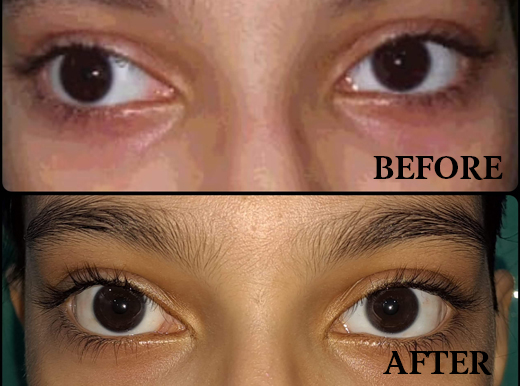
Early assessment is particularly important for children because untreated eye misalignment can sometimes affect normal visual development. Adults can also benefit from evaluation, especially when squint develops suddenly or is associated with double vision.
What Is Squint?
Squint is a condition in which both eyes are not properly aligned. Under normal circumstances, the six muscles surrounding each eye work together with the brain to keep the eyes aligned and focused on the same object. When this coordination is disturbed, one eye may deviate from the normal position.
The eye may turn inward toward the nose, outward toward the ear, upward, or downward. The deviation can be present all the time or may appear only occasionally. Some people notice that their squint becomes more visible when they are tired, unwell, or concentrating.
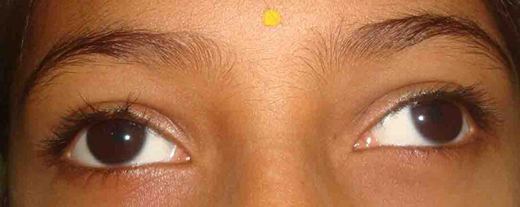
Squint can develop in early childhood or later in life. In some cases, it is related to a refractive error, unequal vision between the eyes, eye muscle problems, or other underlying conditions. A comprehensive examination is therefore important before deciding on treatment.
Types of Squint
Understanding the type of squint is an important part of diagnosis and treatment planning. Squint can be classified according to the direction in which the eye deviates.
Esotropia
Esotropia occurs when one or both eyes turn inward toward the nose. It is commonly seen in children but can also occur in adults.
Exotropia
Exotropia occurs when an eye turns outward. Some people may notice outward deviation more clearly when they are tired, distracted, or looking at distant objects.
Hypertropia
Hypertropia occurs when one eye is positioned higher than the other. It can affect visual coordination and, in some cases, may be associated with double vision.
Hypotropia
Hypotropia occurs when one eye is positioned lower than the other. A detailed assessment is required to determine the underlying reason and suitable management.
What Causes Squint?
There are several factors that may contribute to squint. In some patients, the exact cause may not be immediately identifiable.
Possible causes and associated factors include:
- Refractive errors such as myopia, hyperopia, and astigmatism
- Unequal vision between the two eyes
- Problems involving eye muscles
- Abnormal coordination of eye movements
- Family history of squint
- Certain eye conditions
- Eye injuries
- Neurological conditions
- Developmental problems
- Reduced vision in one eye
In children, squint may occur during the early years of visual development. In adults, newly developed squint should be evaluated by an ophthalmologist because it may occasionally be associated with an underlying eye, neurological, or systemic condition.
Symptoms of Squint
The most noticeable symptom of squint is that the eyes appear to point in different directions. However, symptoms can vary depending on the patient's age and the type of eye misalignment.
Common signs and symptoms may include:
- One eye turning inward or outward
- Eyes appearing misaligned
- Double vision
- Difficulty focusing
- Eye strain
- Headaches during visual activities
- Difficulty judging distances
- Reduced depth perception
- Frequent closing of one eye
- Tilting or turning the head to see clearly
- Difficulty with certain visual tasks
Children may not always understand or communicate that they have a vision problem. Parents may notice unusual head positioning, an eye turning in photographs, or one eye appearing different from the other.
Why Early Squint Treatment Is Important
Early evaluation can be especially important for children. During childhood, the visual system continues to develop. If one eye consistently provides a poorer-quality image, the brain may begin to rely more heavily on the better-seeing eye.
This may result in amblyopia, commonly known as lazy eye.
Appropriate treatment can help address the underlying visual problem and support better visual development. The treatment approach depends on the child's age, type of squint, vision in each eye, and other clinical findings.
For adults, treatment may help improve eye alignment, visual comfort, binocular coordination, and appearance. When double vision is present, treatment may also help manage symptoms in suitable cases.
Diagnosis of Squint at Mansarovar Eye Hospital
Accurate diagnosis is an important step in Squint Treatment in Lucknow. The ophthalmologist evaluates the alignment and movement of the eyes and checks how well the eyes work individually and together.
Depending on the patient's age and symptoms, the examination may include:
Visual Acuity Assessment
Vision is checked separately in each eye. This helps identify whether one eye has weaker vision than the other.
Refraction
A refraction test helps determine whether the patient requires glasses to correct myopia, hyperopia, or astigmatism.
Eye Alignment Evaluation
The ophthalmologist examines the position of both eyes and assesses the direction and degree of deviation.
Eye Movement Examination
Eye movements are assessed to understand how effectively the eye muscles are functioning.
Binocular Vision Assessment
The ability of both eyes to work together is evaluated when clinically appropriate.
Additional Investigations
Depending on the findings, additional tests may be recommended to investigate an underlying cause or understand the patient's visual condition in greater detail.
The results of these assessments help the ophthalmologist create an individualized treatment plan.
Squint Eye Treatment Options
There is no single treatment that works for every type of squint. Squint eye treatment depends on the cause, severity, type of misalignment, age of the patient, and vision in each eye.
Corrective Glasses
In some patients, appropriate glasses can improve eye alignment by correcting the underlying refractive error. This can be particularly useful when significant long-sightedness or another focusing problem contributes to the eye deviation.
Children may require regular vision assessments to ensure that their prescription remains appropriate as their eyes develop.
Patching
Patching may be recommended when one eye has weaker vision. The stronger eye is covered for a prescribed period, encouraging the weaker eye to work more effectively.
Patching is commonly used as part of treatment for amblyopia when clinically appropriate. It does not correct every type of squint, so an ophthalmologist should determine whether it is suitable.
Eye Exercises
Certain eye exercises may benefit selected patients with specific eye coordination problems. However, exercises are not suitable for every form of squint.
A qualified eye specialist should recommend exercises only when they are appropriate for the patient's diagnosis.
Prism Glasses
Prism glasses may be considered for some patients, particularly adults experiencing double vision due to eye misalignment. Prisms can help redirect light entering the eye and may reduce the effects of certain types of deviation.
Best Squint Treatment in Lucknow
Squint surgery in Lucknow may be recommended when appropriate based on the patient's eye alignment and response to other treatment options.
During the consultation, the ophthalmologist evaluates the degree of deviation and determines which eye muscles may require adjustment. The surgical plan is individualized according to the patient's condition.
Squint surgery can be considered for both children and adults when clinically appropriate. Patients should understand that treatment outcomes can vary, and additional follow-up may be necessary after surgery.
The ophthalmologist will explain the expected benefits, possible risks, recovery process, and follow-up requirements before the procedure.
Squint Treatment for Children
Children are among the patients who may benefit significantly from early squint evaluation. Because the visual system develops during childhood, persistent eye misalignment can sometimes interfere with normal visual development.
Squint treatment for children may involve glasses, patching, observation, selected exercises, or surgery depending on the diagnosis.
Parents should consider an eye examination if they notice:
- One eye frequently turning inward or outward
- The child tilting the head while looking
- Frequent closing of one eye
- Difficulty focusing
- One eye appearing different in photographs
- Complaints of double vision
- Poor visual performance
- Difficulty judging distances
Early evaluation does not necessarily mean that surgery will be required. The appropriate treatment depends on the child's individual condition.
Squint Surgery for Adults
Squint can also affect adults. Some adults have long-standing squint from childhood, while others develop eye misalignment later in life.
Squint surgery for adults may be considered when the misalignment causes functional or cosmetic concerns.
Adults with squint may experience:
- Double vision
- Eye strain
- Difficulty with visual tasks
- Abnormal head posture
- Reduced confidence because of visible eye misalignment
Treatment may involve glasses, prism correction, management of an underlying condition, or surgery.
A sudden change in eye alignment should always be assessed by an ophthalmologist, particularly when it is accompanied by new double vision or other unusual symptoms.
Benefits of Squint Treatment
Appropriate squint management may provide several benefits depending on the patient's condition and treatment approach.
Potential benefits include:
- Improved eye alignment
- Better coordination between the eyes
- Support for visual development in children
- Improvement in double vision in suitable cases
- Better depth perception in selected patients
- Reduction of abnormal head positioning
- Improved cosmetic appearance
- Greater confidence in social and professional situations
Results vary from person to person. A detailed examination is therefore essential before selecting a treatment plan.
Recovery After Squint Surgery
Recovery following squint surgery varies according to the individual and the type of procedure performed. Some patients may experience temporary redness, watering, irritation, or mild discomfort after surgery.
The ophthalmologist may prescribe eye drops or other medications as part of post-operative care.
Patients should follow their doctor's instructions carefully and attend all recommended follow-up appointments.
General post-operative care may include:
- Using prescribed eye drops as directed
- Avoiding unnecessary rubbing of the eyes
- Following recommended activity restrictions
- Keeping scheduled follow-up appointments
- Reporting unusual or worsening symptoms promptly
The final eye alignment may take some time to stabilize as the eyes heal.
When Should You Consult a Squint Specialist?
You should consider consulting a Squint Specialist in Lucknow if you notice persistent or recurring eye misalignment.
An examination is especially important when:
- One eye turns inward or outward
- The eyes appear misaligned
- Double vision develops
- A child frequently tilts their head
- One eye appears weaker than the other
- There is difficulty focusing
- Eye strain or headaches occur during visual tasks
- Squint develops suddenly in an adult
A timely evaluation can help identify the type of eye misalignment and determine whether treatment is required.
Why Choose Mansarovar Eye Hospital for Squint Treatment?
Selecting the right eye care centre is an important part of managing squint. Patients generally benefit from a comprehensive examination, accurate diagnosis, individualized treatment planning, and appropriate follow-up.
At Mansarovar Eye Hospital, patients can receive an eye evaluation to understand the type and extent of their squint. Treatment recommendations are based on individual clinical findings rather than a one-size-fits-all approach.
The hospital can evaluate patients across different age groups, including children and adults. Depending on the diagnosis, treatment may involve corrective glasses, patching, prism correction, selected exercises, or surgical management.
For children, early evaluation can help identify vision problems that may affect visual development. For adults, an examination can help determine the cause of new or long-standing eye misalignment and explore suitable treatment options.
Frequently Asked Questions About Squint Treatment in Lucknow
What is squint?
Squint, also called strabismus, is an eye alignment condition in which the two eyes do not point in the same direction at the same time.
Can squint be treated?
Yes. Depending on the type and cause, treatment may include glasses, patching, prism glasses, selected exercises, or surgery.
Is squint surgery necessary for everyone?
No. Surgery is not required for every patient. The ophthalmologist decides whether surgery is appropriate after assessing the patient's eye alignment and response to other treatments.
Can children receive squint treatment?
Yes. Children can be evaluated and treated for squint. Early assessment can be important because persistent misalignment may affect visual development.
Can adults undergo squint surgery?
Yes. Adults with suitable conditions may be considered for squint surgery after a comprehensive eye examination.
Can glasses correct squint?
Glasses can improve alignment in some patients when a refractive error contributes to the squint. However, glasses do not correct every type of eye misalignment.
Can squint cause lazy eye?
Squint can be associated with amblyopia, or lazy eye, particularly when one eye provides consistently poorer visual input during childhood.
Is squint treatment painful?
The experience varies depending on the treatment. Non-surgical treatments such as glasses do not involve surgery. If surgery is recommended, the ophthalmologist will explain the procedure, anesthesia, recovery, and expected post-operative experience.
What is the best treatment for squint?
There is no single best treatment for every patient. The appropriate option depends on the type and cause of squint, age, vision, degree of misalignment, and other clinical factors.
Get Squint Treatment in Lucknow at Mansarovar Eye Hospital
Squint can affect people of different ages and may influence eye alignment, vision, coordination, and daily activities. Early and accurate assessment can help identify the type of squint and determine the most appropriate management.
At Mansarovar Eye Hospital, patients can undergo a comprehensive eye examination and discuss suitable treatment options with an eye specialist. Depending on the individual diagnosis, treatment may include corrective glasses, patching, prism correction, selected eye exercises, or squint surgery in Lucknow.
If you notice persistent eye misalignment, double vision, difficulty focusing, or unusual eye positioning in your child, consider scheduling an eye examination.
For professional evaluation and personalized Squint Treatment in Lucknow, consult Mansarovar Eye Hospital.