
Uveitis Treatment in Lucknow
Uveitis Treatment in Lucknow focuses on reducing inflammation inside the eye, protecting vision, identifying the underlying cause, and preventing potential complications. Uveitis is an inflammatory condition that can affect different parts of the eye and may develop suddenly or gradually. Because inflammation can affect important structures involved in vision, timely examination by an experienced ophthalmologist is important.
At Mansarovar Eye Hospital, patients with symptoms of eye inflammation can receive detailed eye evaluation and appropriate treatment based on the type, severity, and suspected cause of uveitis. A comprehensive assessment may help the eye specialist determine the location of inflammation and whether additional investigations are required.
Uveitis can have several possible causes, including infections, autoimmune or inflammatory conditions, eye injuries, and other underlying health problems. In some cases, the exact cause may not be identified. Therefore, treatment is individualized according to the patient's clinical findings and medical history.
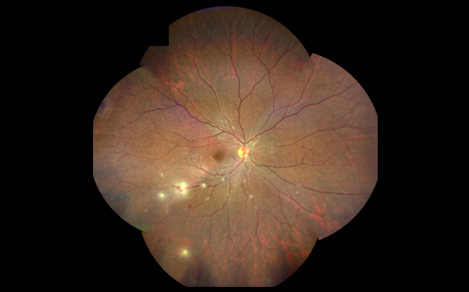
What is Uveitis?
Uveitis is inflammation involving the uvea, a part of the eye that includes the iris, ciliary body, and choroid. However, inflammation may also involve surrounding eye structures.
The condition can affect one or both eyes and may occur at any age. Some forms of uveitis develop suddenly, while others can persist or return over time.
Uveitis should not be ignored because prolonged or severe inflammation may affect vision and can sometimes lead to complications. Early diagnosis and appropriate management can help control inflammation and protect the health of the eye.
What Causes Uveitis?
Uveitis can develop for different reasons. Identifying the possible cause can help the ophthalmologist determine an appropriate treatment approach.
Possible causes include:
- Eye infections
- Autoimmune or inflammatory disorders
- Eye trauma or injury
- Certain systemic diseases
- Inflammatory conditions affecting other parts of the body
- Exposure to certain infections
- Post-surgical inflammation in selected cases
- Other less common underlying conditions
In some patients, no specific cause can be identified even after appropriate evaluation. This is sometimes referred to as idiopathic uveitis.
The cause of uveitis cannot always be determined from symptoms alone. A detailed examination and, when appropriate, additional investigations may be necessary.
Types of Uveitis
Uveitis can be classified according to the part of the eye that is primarily affected.
Anterior Uveitis
Anterior uveitis affects the front portion of the uvea, particularly the iris and surrounding structures. It is one of the more common forms of uveitis.
Patients may experience:
- Eye redness
- Eye pain
- Sensitivity to light
- Blurred vision
- Excessive watering
- Small or irregular pupil in some cases
Treatment depends on the severity and underlying cause.
Intermediate Uveitis
Intermediate uveitis primarily affects the middle portion of the eye and may involve inflammation in the vitreous.
Symptoms can include:
- Floaters
- Blurred vision
- Reduced visual clarity
Because inflammation can occur deeper inside the eye, a detailed examination is important for diagnosis and monitoring.
Posterior Uveitis
Posterior uveitis affects structures toward the back of the eye, including the retina or choroid.
It may cause:
- Blurred vision
- Floaters
- Reduced vision
- Visual disturbances
- Difficulty seeing clearly
Posterior inflammation may be associated with infections, inflammatory disorders, or other underlying conditions and may require specialized evaluation.
Panuveitis
Panuveitis involves inflammation affecting multiple areas of the eye, including the anterior, intermediate, and posterior segments.
Because several structures can be involved, panuveitis may require comprehensive evaluation and carefully planned treatment.
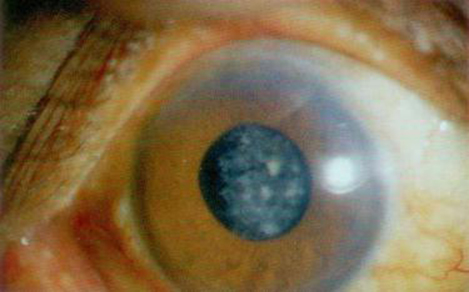
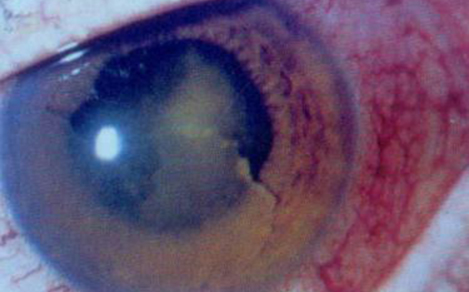
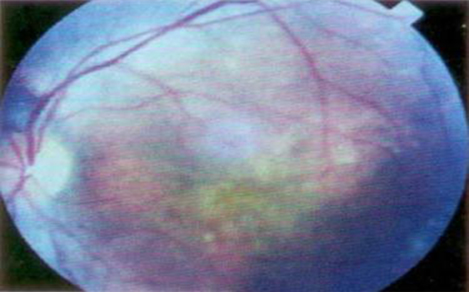
Symptoms of Uveitis
Uveitis symptoms can vary depending on the part of the eye involved and the severity of inflammation.
Common symptoms may include:
- Red eyes
- Eye pain or discomfort
- Blurred vision
- Sensitivity to light
- Floaters
- Reduced vision
- Excessive watering
- Dark spots or shadows in vision
- Visual disturbances
Some forms of uveitis may develop with relatively few noticeable symptoms. Therefore, an eye examination can be important when there are unexplained changes in vision.
If you experience sudden vision changes, significant eye pain, severe redness, or increased sensitivity to light, seek prompt evaluation from an eye specialist.
How Is Uveitis Diagnosed?
Diagnosis begins with a detailed eye examination. The ophthalmologist evaluates the eye and asks about symptoms, medical history, previous eye problems, medications, and other relevant health information.
Depending on the patient's condition, the doctor may perform or recommend:
- Visual acuity testing
- Slit-lamp examination
- Dilated eye examination
- Intraocular pressure measurement
- Retinal examination
- Optical coherence tomography when required
- Fundus photography or other imaging
- Laboratory investigations in selected cases
- Additional systemic evaluation when an underlying inflammatory or infectious condition is suspected
Not every patient requires all of these investigations. The diagnostic approach is selected according to the patient's symptoms and examination findings.
Uveitis Treatment in Lucknow
The goal of Uveitis Treatment in Lucknow is to control inflammation, relieve symptoms, treat the underlying cause when identified, and reduce the risk of complications.
Treatment depends on several factors, including:
- Type of uveitis
- Location of inflammation
- Severity of inflammation
- Duration of symptoms
- Whether one or both eyes are affected
- Presence of complications
- Suspected underlying cause
- Previous response to treatment
An ophthalmologist may recommend eye drops, injections, oral medicines, or other treatments depending on the individual situation.
Treatment Options for Uveitis
Anti-Inflammatory Eye Drops
For certain cases of anterior uveitis, anti-inflammatory eye drops may be prescribed to reduce inflammation.
The doctor may also prescribe pupil-dilating or cycloplegic eye drops in appropriate cases. These medications can help reduce discomfort and manage inflammation-related problems.
Patients should use prescribed eye drops according to the recommended schedule and should not discontinue treatment without medical advice.
Steroid Treatment
Steroids may be used to control significant inflammation in selected cases of uveitis. Depending on the location and severity of inflammation, steroids may be administered as eye drops, injections around or inside the eye, or systemic medication.
The choice depends on the individual patient's condition.
Steroid treatment requires appropriate medical supervision because prolonged or inappropriate use can be associated with complications such as increased eye pressure, cataract formation, or other problems.
Immunosuppressive or Immunomodulatory Treatment
Some patients with recurrent, severe, or immune-related uveitis may require medicines that modify the immune response.
These treatments are generally considered when inflammation cannot be adequately controlled with local treatment or when long-term management is required.
Such medication should be prescribed and monitored by an appropriately qualified specialist.
Antibiotic or Antiviral Treatment
If uveitis is associated with an infection, treatment may need to target the specific infectious cause.
Depending on the infection, an ophthalmologist or relevant specialist may prescribe antimicrobial medication. The treatment should be selected based on the suspected or confirmed cause rather than using medication without professional evaluation.
Injections
In selected cases, medication may be administered around or inside the eye to control inflammation.
Injections may be considered when inflammation is located deeper within the eye or when topical treatment is insufficient.
The suitability of an injection depends on the patient's condition and should be determined by an eye specialist.
Treatment of Underlying Conditions
When uveitis is associated with an underlying systemic condition, managing that condition can form an important part of treatment.
The ophthalmologist may recommend evaluation by another specialist when appropriate. A coordinated approach can help address both the eye inflammation and the underlying disease.
Can Uveitis Be Cured?
The outcome of uveitis depends largely on its underlying cause, location, severity, and response to treatment.
Some episodes may resolve with appropriate treatment, while other forms can be recurrent or require long-term monitoring.
The primary goal is to control inflammation and protect vision. Patients with recurrent or chronic uveitis may require regular examinations even when symptoms have improved.
Following the treatment plan and attending recommended follow-up appointments are important parts of long-term eye care.
Possible Complications of Uveitis
If inflammation is severe, persistent, or inadequately treated, uveitis may lead to complications.
Possible complications include:
- Cataract
- Increased eye pressure or glaucoma
- Macular edema
- Retinal complications
- Posterior synechiae
- Reduced vision
- Other structural changes inside the eye
Not every patient develops complications. Regular monitoring allows the ophthalmologist to identify changes early and adjust treatment when necessary.
Why Regular Follow-Up Is Important
Uveitis may improve and then return, particularly in recurrent forms. For this reason, follow-up appointments can be an important part of treatment.
During follow-up, the ophthalmologist may check:
- Level of inflammation
- Visual acuity
- Eye pressure
- Retina and optic nerve
- Response to medication
- Development of complications
- Need for treatment adjustment
Even if your symptoms improve, do not stop prescribed medication unless your doctor advises you to do so.
Who Is at Risk of Uveitis?
Uveitis can occur in people of different ages and backgrounds. Certain factors may increase the likelihood of developing inflammation inside the eye.
These can include:
- Previous eye inflammation
- Certain autoimmune conditions
- Certain infections
- Eye trauma
- Some inflammatory diseases
- A history of recurrent uveitis
Having a risk factor does not necessarily mean that a person will develop uveitis. Professional evaluation is needed when symptoms occur.
Why Choose Mansarovar Eye Hospital for Uveitis Treatment?
Patients searching for Uveitis Treatment in Lucknow may want access to experienced eye specialists, comprehensive diagnostic facilities, and appropriate follow-up care.
At Mansarovar Eye Hospital, the evaluation of uveitis begins with understanding the patient's symptoms and examining the eye carefully. The treatment plan is then developed according to the location and severity of inflammation and the suspected underlying cause.
The eye care approach includes:
- Comprehensive ophthalmic evaluation
- Detailed assessment of eye inflammation
- Appropriate diagnostic investigations
- Individualized treatment planning
- Monitoring of eye pressure and vision
- Follow-up care
- Guidance regarding prescribed medications
A specialized eye care setting can make it easier to evaluate inflammation and monitor the response to treatment.
When Should You See an Eye Specialist?
You should arrange an eye examination if you develop unexplained:
- Eye redness
- Eye pain
- Blurred vision
- Light sensitivity
- Floaters
- Reduced vision
- Visual disturbances
Seek prompt medical attention for sudden or significant changes in vision, particularly when they occur with pain, redness, or marked sensitivity to light.
Early evaluation can help determine whether inflammation is present and whether treatment is required.
Frequently Asked Questions About Uveitis Treatment
What is Uveitis Treatment in Lucknow?
Uveitis Treatment in Lucknow involves managing inflammation inside the eye and addressing its underlying cause when identified. Treatment may include eye drops, injections, oral medicines, or other therapies depending on the type and severity of uveitis.
Is uveitis a serious eye condition?
Uveitis can become serious if significant inflammation remains untreated or complications develop. Timely diagnosis, appropriate treatment, and regular follow-up can help protect vision.
Can uveitis cause permanent vision loss?
Some severe or recurrent forms of uveitis can affect vision permanently if complications develop. However, appropriate diagnosis and management can help reduce the risk of vision-threatening complications.
Is uveitis contagious?
Uveitis itself is an inflammatory eye condition and is not generally considered contagious. However, certain infections that may be associated with uveitis can be transmissible. The underlying cause should therefore be evaluated by a doctor.
How long does uveitis take to improve?
The recovery period varies depending on the type, severity, cause, and response to treatment. Some cases improve relatively quickly, while recurrent or chronic inflammation may require longer-term management.
Can uveitis come back?
Yes. Some forms of uveitis can recur after treatment. Regular follow-up and appropriate management can help monitor for recurrence and complications.
Can children develop uveitis?
Yes. Uveitis can occur in children as well as adults. Children with unexplained redness, light sensitivity, visual changes, or other eye symptoms should receive an appropriate eye examination.
Can I use steroid eye drops without a prescription?
Steroid eye drops should not be used without medical supervision. They can be inappropriate for certain eye infections and may cause complications when used incorrectly or for prolonged periods.
Does uveitis always require surgery?
No. Many cases of uveitis are managed medically. Surgery may be considered only when specific complications develop or when another procedure is clinically required.
Protect Your Vision With Timely Eye Care
Uveitis can affect different parts of the eye and may have many possible causes. Because the condition can sometimes lead to complications, professional evaluation is important when symptoms such as eye redness, pain, light sensitivity, floaters, or blurred vision occur.
The right treatment depends on the type and cause of inflammation. An ophthalmologist can perform a detailed examination, recommend appropriate investigations, and develop a treatment plan according to the patient's individual needs.
If you are looking for Uveitis Treatment in Lucknow, Mansarovar Eye Hospital provides comprehensive eye evaluation and specialized ophthalmic care. Consult an eye specialist for appropriate diagnosis, treatment, and follow-up.
Book Your Eye Consultation at Mansarovar Eye Hospital
Do not ignore persistent eye redness, pain, blurred vision, light sensitivity, or other unexplained visual symptoms. A timely eye examination can help identify inflammation and determine whether specialized treatment is required.
For professional Uveitis Treatment in Lucknow, consult Mansarovar Eye Hospital for comprehensive evaluation and personalized eye care.