
Strabismus and Pediatric Ophthalmology in Lucknow
Strabismus and Pediatric Ophthalmology focus on the diagnosis, treatment, and long-term management of eye conditions affecting children and adults with eye alignment problems.
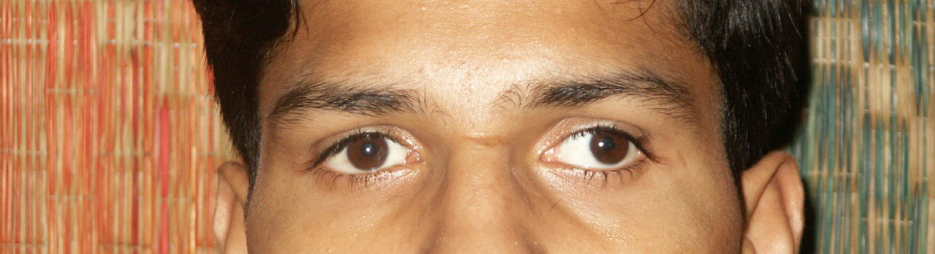
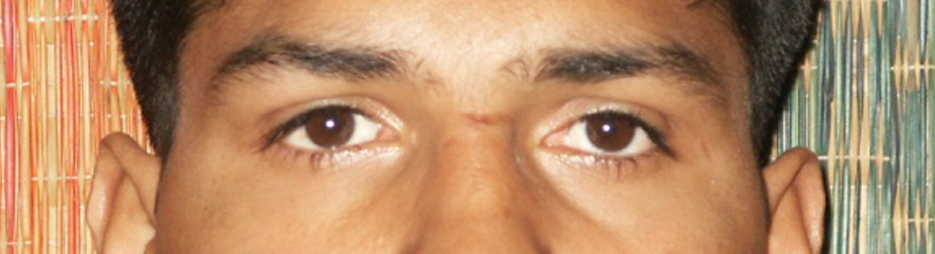
Strabismus, commonly known as squint. occurs when the eyes are not properly aligned and may point in different directions. Pediatric ophthalmology focuses on children's eye health, including vision development, refractive errors, squint, lazy eye, and other conditions that can affect visual development.
At Mansarovar Eye Hospital, comprehensive eye evaluation and treatment are provided for children and adults with squint, eye alignment problems, and other pediatric eye conditions. A detailed examination helps identify the type and cause of the problem and allows the ophthalmologist to recommend an appropriate treatment plan. Early assessment can be particularly important for children because vision continues to develop during childhood. Identifying and managing vision problems at the appropriate stage can help support healthy visual development.
What Is Strabismus?
Strabismus is an eye alignment condition in which both eyes do not point in the same direction at the same time. One eye may turn inward, outward, upward, or downward while the other eye remains focused on an object.
Strabismus can be present continuously or may occur only at certain times, such as when a child is tired, ill, or trying to focus on a particular object.
Common types of strabismus include:
- Esotropia: One or both eyes turn inward.
- Exotropia: One or both eyes turn outward.
- Hypertropia: One eye turns upward.
- Hypotropia: One eye turns downward.
- Intermittent strabismus: The eye misalignment occurs only at certain times.
The type, frequency, and severity of eye misalignment can vary between individuals. A comprehensive eye examination is therefore important before deciding on treatment.
Strabismus Treatment in Lucknow
Strabismus Treatment in Lucknow begins with a detailed assessment of eye alignment, vision, eye movements, and the overall health of the eyes. The ophthalmologist may also assess whether the child has a refractive error or reduced vision in one eye.
Treatment depends on several factors, including:
- Age of the patient
- Type of strabismus
- Degree of eye misalignment
- Vision in each eye
- Presence of refractive error
- Eye movement patterns
- Previous treatment
- Underlying medical or eye conditions
Depending on the individual diagnosis, treatment may include spectacles, patching, exercises in selected cases, prism correction, observation, or surgery.
Pediatric Ophthalmology Services
Pediatric Ophthalmology is a specialized area of eye care focused on the visual health of infants, children, and adolescents.
Children may not always recognize or communicate that their vision is unclear. Some children may simply adapt to reduced vision or use one eye more than the other. This is why age-appropriate eye examinations can be valuable.
Pediatric eye care may include evaluation and management of:
- Childhood squint
- Lazy eye or amblyopia
- Refractive errors
- Myopia
- Hyperopia
- Astigmatism
- Eye movement disorders
- Focusing difficulties
- Childhood eye infections
- Vision development problems
- Other pediatric eye conditions
An eye specialist can determine which examinations are appropriate according to the child’s age, symptoms, and visual needs.
Why Early Eye Examination Is Important for Children
Vision develops significantly during childhood. If one eye consistently receives a blurred image or the eyes are not working together properly, normal visual development can be affected.
For example, untreated strabismus may be associated with amblyopia in some children. Amblyopia, commonly called lazy eye, occurs when vision in one eye does not develop normally.
Early identification gives the ophthalmologist an opportunity to assess the condition and recommend suitable management.
Parents should not wait for a child to complain about poor vision because children may not realize that their vision is different from that of other children.
Signs That a Child May Need an Eye Examination
Parents and caregivers can look for changes in a child’s visual behavior.
Possible signs include:
- One eye turning inward or outward
- Frequent squinting
- Closing one eye in bright light
- Tilting or turning the head while looking
- Sitting very close to the television
- Holding books unusually close
- Difficulty reading
- Frequently rubbing the eyes
- Complaints of blurred vision
- Difficulty seeing objects at a distance
- Headaches associated with visual tasks
- Poor hand-eye coordination
- Avoiding activities that require clear vision
- One eye appearing different from the other
These signs do not necessarily indicate a particular eye disease. A professional examination is required to determine the cause.
Amblyopia and Lazy Eye
Amblyopia is a condition in which vision in one eye, or sometimes both eyes, does not develop normally during childhood.
It can be associated with conditions such as:
- Strabismus
- Significant difference in spectacle power between the eyes
- High refractive error
- Conditions that interfere with clear vision during early childhood
A child with amblyopia may not complain because the stronger eye can compensate for the weaker eye.
Treatment depends on the cause and severity. Spectacles may be prescribed when refractive error is present. In selected cases, patching or other treatment may be recommended to encourage the use of the weaker eye.
Regular follow-up is important to monitor visual development and treatment response.
Refractive Errors in Children
Refractive errors are among the common causes of blurred vision in children.
The main types include:
Myopia
Myopia, or short-sightedness, makes distant objects appear blurred while nearby objects may be easier to see.
Hyperopia
Hyperopia, or long-sightedness, can affect near vision and focusing, depending on its degree.
Astigmatism
Astigmatism occurs when the eye’s optical surfaces have an irregular curvature, which can result in blurred or distorted vision.
Children may require spectacles when refractive errors affect their vision or visual development. The ophthalmologist determines the appropriate prescription after examination.
How Is Strabismus Diagnosed?
A strabismus evaluation involves more than simply looking at whether the eyes appear aligned.
The ophthalmologist may assess:
- Visual acuity
- Eye alignment
- Eye movements
- Binocular vision
- Focusing ability
- Refractive error
- Pupillary responses
- Overall eye health
Different tests may be selected depending on the child’s age and ability to cooperate with the examination.
For younger children, specialized techniques can be used to estimate refractive error and assess visual responses.
A detailed examination helps the ophthalmologist understand whether the eye misalignment is constant, intermittent, or associated with another condition.
Treatment Options for Strabismus
There is no single treatment that is suitable for every patient with strabismus. Treatment is individualized according to the diagnosis.
Spectacles
Refractive errors can sometimes contribute to eye misalignment. Appropriate spectacles may improve vision and, in some cases, help improve alignment.
Patching
Patching may be recommended in selected children with amblyopia. It involves covering the stronger eye for a prescribed period so that the weaker eye is encouraged to work.
The duration and schedule should be determined by the treating ophthalmologist.
Prism Correction
Prisms can alter the path of light entering the eye and may be useful in selected patients with certain forms of double vision or eye alignment problems.
Observation
Some forms of intermittent strabismus may be monitored periodically when immediate intervention is not required.
Regular examinations allow the ophthalmologist to monitor changes in alignment and vision.
Strabismus Surgery
Surgery may be considered when eye misalignment persists despite other appropriate treatments or when surgery is clinically indicated.
Strabismus surgery generally involves adjusting selected eye muscles to improve eye alignment. The exact procedure depends on the type and degree of misalignment.
A detailed consultation is necessary to understand whether surgery is appropriate for an individual patient.
Strabismus in Adults
Strabismus is not limited to children. Adults can have long-standing eye misalignment or may develop new alignment problems later in life.
Adult strabismus can sometimes be associated with:
- Previous childhood strabismus
- Eye trauma
- Neurological conditions
- Thyroid-related eye disease
- Certain systemic conditions
- Other eye or medical problems
New-onset double vision or sudden eye misalignment should receive appropriate medical evaluation.
Treatment depends on the underlying cause and may involve spectacles, prism correction, treatment of an underlying condition, or surgery when indicated.
Pediatric Eye Check-Up
A pediatric eye check-up allows an ophthalmologist to assess a child’s vision and identify potential problems.
The examination may be particularly useful when there is:
- A family history of eye conditions
- Visible eye misalignment
- Poor school performance related to visual tasks
- Difficulty seeing the board
- Frequent headaches
- Abnormal head posture
- Previous eye problems
- Premature birth or other relevant medical history
The appropriate timing of eye examinations can vary depending on the child’s age and individual risk factors.
Importance of Binocular Vision
Binocular vision refers to the ability of both eyes to work together to provide a coordinated visual experience.
Proper alignment and coordination allow the brain to combine information from both eyes. When the eyes are significantly misaligned, the brain may receive different visual information from each eye.
In children, persistent misalignment can interfere with normal visual development in some cases.
This is one reason why Strabismus and Pediatric Ophthalmology are closely connected. Treating the underlying problem and supporting visual development can be an important part of pediatric eye care.
Why Choose Mansarovar Eye Hospital?
When looking for Strabismus and Pediatric Ophthalmology in Lucknow, patients and parents often look for appropriate specialist evaluation, diagnostic facilities, treatment options, and follow-up care.
Mansarovar Eye Hospital provides comprehensive ophthalmic services for children and adults. The evaluation process focuses on understanding the patient’s symptoms, vision, eye alignment, and overall eye health.
The hospital’s eye care services include evaluation and management across multiple ophthalmic specialties, allowing patients to receive care for different vision-related concerns.
Comprehensive Eye Evaluation
A detailed eye examination can help identify refractive errors, alignment problems, amblyopia, and other conditions affecting vision.
Individualized Treatment Planning
Treatment is selected according to the patient’s age, diagnosis, symptoms, visual needs, and examination findings.
Pediatric-Focused Eye Care
Children may require different examination methods and communication approaches compared with adults. Pediatric eye assessments are adapted according to the child’s age and cooperation level.
Long-Term Follow-Up
Some childhood eye conditions require regular monitoring. Follow-up examinations can help assess changes in vision and eye alignment over time.
When Should Parents Consult a Pediatric Eye Specialist?
Parents should consider consulting an eye specialist when they notice persistent changes in a child’s eye alignment or visual behavior.
A consultation may be appropriate if:
- The child’s eye frequently turns inward or outward.
- The child complains about blurred or double vision.
- One eye appears weaker than the other.
- The child frequently closes one eye.
- The child has difficulty reading.
- The child holds objects unusually close.
- The child tilts the head while focusing.
- There is a family history of strabismus or other eye conditions.
- The child has a known refractive error.
- Vision appears to have changed suddenly.
Early assessment can help determine whether the symptoms require treatment or routine monitoring.
Frequently Asked Questions
What is strabismus?
Strabismus is an eye alignment condition in which the two eyes do not point in the same direction at the same time. It may occur continuously or intermittently.
Can strabismus affect children?
Yes. Strabismus can occur during infancy or childhood. Depending on the type and severity, it may affect binocular vision and visual development.
Is squint the same as strabismus?
Yes. Squint is a commonly used term for strabismus, a condition involving misalignment of the eyes.
Can childhood strabismus be treated?
Many forms of childhood strabismus can be managed with appropriate treatment. Depending on the diagnosis, treatment may include spectacles, patching, prism correction, observation, or surgery.
Does every child with squint need surgery?
No. Surgery is not required for every child with strabismus. Treatment depends on the type of misalignment, vision in each eye, underlying cause, and response to other treatments.
What is pediatric ophthalmology?
Pediatric ophthalmology is a specialized area of eye care focused on the diagnosis and management of eye and vision conditions in infants, children, and adolescents.
What is lazy eye?
Lazy eye, medically known as amblyopia, occurs when vision does not develop normally in one eye or, less commonly, both eyes during childhood. It can be associated with strabismus and refractive errors.
When should a child have an eye examination?
The timing depends on age, symptoms, risk factors, and previous eye problems. Children with visible eye misalignment, vision concerns, or other symptoms should be evaluated by an eye specialist.
Comprehensive Strabismus and Pediatric Eye Care in Lucknow
Healthy vision plays an important role in a child’s learning, development, coordination, and everyday activities. Identifying eye alignment problems, refractive errors, amblyopia, and other pediatric eye conditions at an appropriate stage can help support better visual development.
Mansarovar Eye Hospital provides Strabismus and Pediatric Ophthalmology services in Lucknow for children and adults requiring evaluation of squint, eye alignment, lazy eye, refractive errors, and other vision-related concerns.
If you notice an unusual eye turn, changes in vision, difficulty focusing, or other concerns about your child’s eyesight, schedule an eye examination with an ophthalmologist. The appropriate treatment can then be planned according to the individual diagnosis and visual requirements.