
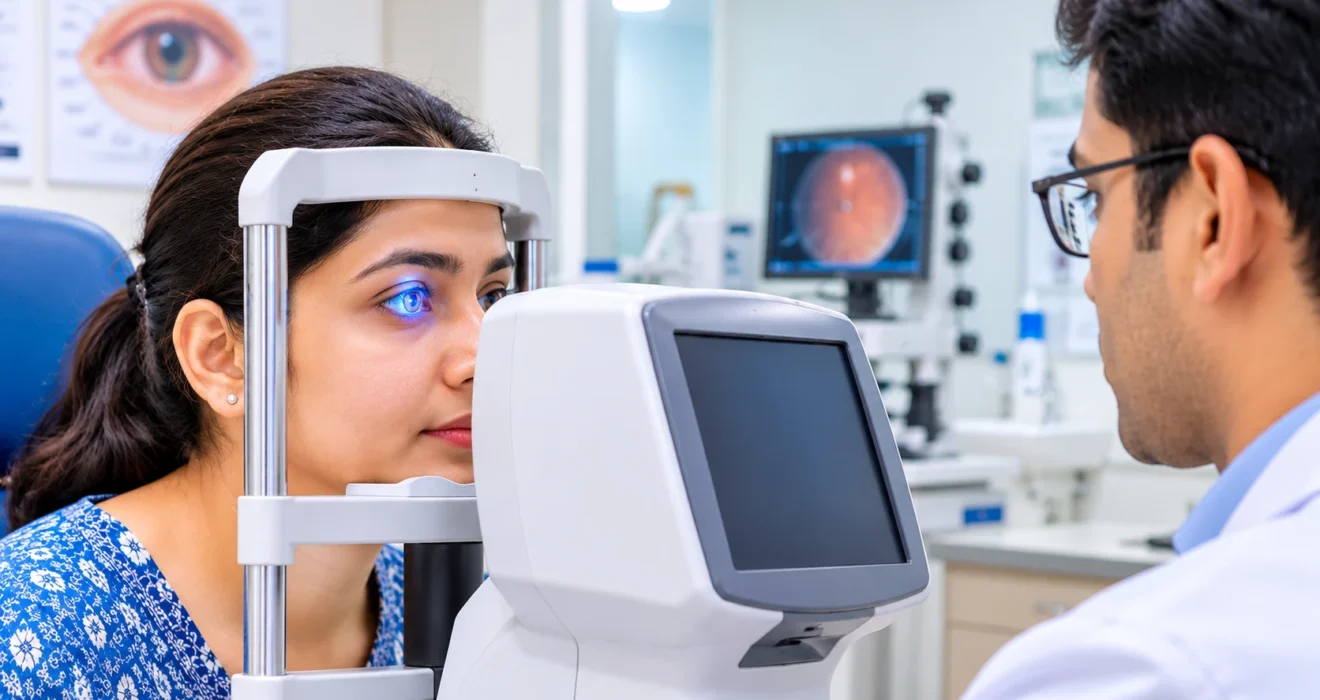
7 Essential Facts About Procedure, Normal Range & Glaucoma Risk
7 Essential Facts About Eye Pressure Test: Procedure, Normal Range & Symptoms
An Eye Pressure Test is an important eye examination that helps measure the pressure inside your eyes. It is commonly performed to identify the risk of glaucoma and monitor overall eye health. High eye pressure may damage the optic nerve over time, even when there are no noticeable symptoms.
If you are looking for an Eye Pressure Test in Lucknow, understanding the procedure, normal eye pressure range, symptoms and available testing methods can help you make informed decisions about your eye health.
What Is an Eye Pressure Test?
An Eye Pressure Test, medically known as tonometry, measures the pressure of fluid inside your eyes. This pressure is called intraocular pressure (IOP).
Your eyes continuously produce and drain a clear fluid called aqueous humour. When this fluid does not drain properly, pressure inside the eye may increase.
An eye pressure examination helps an eye specialist identify abnormal pressure levels and assess the risk of glaucoma.
7 Essential Facts About Eye Pressure Test
1. It Helps Detect Glaucoma Risk
One of the main reasons for performing an Eye Pressure Test is to assess the risk of glaucoma. Increased eye pressure is an important risk factor for glaucoma, a condition that can damage the optic nerve.
However, glaucoma can also develop in people with normal eye pressure. Therefore, additional examinations may be necessary.
2. Normal Eye Pressure Range
The commonly accepted normal eye pressure range is approximately 10–21 mmHg (millimetres of mercury).
| Eye Pressure | General Interpretation |
|---|---|
| Below 10 mmHg | Lower than typical range |
| 10–21 mmHg | Commonly considered normal |
| Above 21 mmHg | May indicate elevated eye pressure |
These values are general guidelines. Your eye specialist will interpret the results according to your eye health and other examination findings.
3. The Test Is Usually Quick and Painless
An Eye Pressure Test is generally a quick examination. Most tonometry methods take only a few minutes.
Depending on the testing method, your doctor may use a gentle puff of air or a specialised instrument to measure the pressure inside your eyes.
4. Different Types of Tonometry Tests
There are several methods used to measure intraocular pressure.
- Applanation Tonometry: Measures eye pressure by gently flattening a small area of the cornea.
- Non-Contact Tonometry: Uses a gentle puff of air without directly touching the eye.
- Rebound Tonometry: Uses a small probe that briefly touches the cornea.
- Indentation Tonometry: Measures pressure using a specialised instrument that gently indents the eye.
Your ophthalmologist will recommend an appropriate method based on your eye condition.
5. High Eye Pressure May Not Cause Symptoms
Many people with elevated eye pressure do not experience noticeable symptoms. This is why routine eye examinations are important.
Some symptoms associated with acute eye pressure problems may include:
- Severe eye pain
- Blurred vision
- Headache
- Redness in the eye
- Halos around lights
- Nausea or vomiting
Sudden severe eye pain with blurred vision, redness or nausea requires immediate emergency eye care.
6. Who Should Get an Eye Pressure Test?
An eye pressure examination may be recommended for:
- People above 40 years of age.
- Individuals with a family history of glaucoma.
- People diagnosed with diabetes.
- Individuals with previously elevated eye pressure.
- Patients experiencing changes in vision.
- People who require regular glaucoma monitoring.
Your doctor can advise how frequently you should undergo the examination.
7. Eye Pressure Test Cost in Lucknow
The cost of an Eye Pressure Test in Lucknow may vary depending on the hospital, testing method and whether additional eye examinations are required.
For an accurate price, contact the hospital directly and ask whether the consultation or additional glaucoma screening tests are included.
Factors That Can Affect Eye Pressure Readings
An Eye Pressure Test provides important information about the pressure inside your eyes. However, certain factors can influence the readings and how your ophthalmologist interprets them.
Some important factors include:
- Corneal Thickness: The thickness of the cornea can influence eye pressure measurements.
- Time of Day: Eye pressure can fluctuate throughout the day.
- Eye Conditions: Existing eye conditions may affect pressure readings.
- Medications: Certain medications, particularly steroid medicines, can increase eye pressure in some people.
- Previous Eye Surgery: A history of eye surgery may influence how pressure measurements are interpreted.
According to the American Academy of Ophthalmology, eye pressure readings should be evaluated by an ophthalmologist as part of a complete eye examination.
How to Prepare for an Eye Pressure Test?
An Eye Pressure Test generally requires very little preparation. However, following a few simple steps can help make your examination easier.
- Inform your doctor about any existing eye conditions.
- Share details of your current eye medications.
- Mention any previous eye surgery or treatment.
- Bring your previous eye examination reports, if available.
- Follow the instructions provided by your eye specialist.
If you use prescription eye drops, do not stop them before the examination unless your doctor advises you to do so.
What Happens If Your Eye Pressure Is High?
High eye pressure, also known as ocular hypertension, occurs when the pressure inside the eye is higher than the expected range without detectable glaucoma-related optic nerve damage.
It does not automatically mean that you have glaucoma. However, consistently elevated eye pressure can increase the risk of developing the condition.
Your ophthalmologist may recommend additional investigations, such as:
- Optical Coherence Tomography (OCT)
- Visual Field Test
- Corneal Thickness Test
- Optic Nerve Examination
- Gonioscopy
The National Eye Institute explains the relationship between increased eye pressure and glaucoma.
Early evaluation and regular monitoring can help identify changes in eye health and support timely treatment.
Why Is Regular Eye Pressure Monitoring Important?
Regular eye examinations are important because glaucoma can develop without noticeable symptoms during its early stages.
An Eye Pressure Test helps your eye specialist monitor intraocular pressure and identify individuals who may need further glaucoma evaluation.
People with a family history of glaucoma, elevated eye pressure or other risk factors should discuss an appropriate examination schedule with their ophthalmologist.
For more information about glaucoma diagnosis, visit the American Academy of Ophthalmology’s Glaucoma Guide.
Additional Eye Care Resources
For reliable information about eye pressure, tonometry and glaucoma, you can explore these medical resources:
- National Eye Institute – Understanding Glaucoma
- American Academy of Ophthalmology – Eye Pressure Testing
- National Eye Institute – Glaucoma and Eye Pressure
How Is an Eye Pressure Test Performed?
The procedure is usually simple and does not require extensive preparation.
- The eye specialist examines your eyes.
- Depending on the method, numbing eye drops may be used.
- A tonometry instrument measures the pressure inside your eyes.
- The readings are recorded in mmHg.
- The doctor evaluates the results and recommends further tests if required.
In some testing methods, numbing drops are not necessary.
Can an Eye Pressure Test Detect Glaucoma?
An Eye Pressure Test helps identify elevated intraocular pressure, which is an important glaucoma risk factor. However, this test alone cannot confirm or rule out glaucoma.
A complete glaucoma evaluation may include:
- Optic nerve examination
- Visual field testing
- OCT scan
- Corneal thickness measurement
- Eye pressure measurement
These tests help the ophthalmologist assess optic nerve health and identify possible glaucoma-related damage.
Where to Get an Eye Pressure Test in Lucknow?
If you need an eye pressure examination, consult an experienced ophthalmologist for an appropriate assessment.
Mansarovar Eye Hospital, Lucknow provides eye care services and specialist consultations. Patients can consult the eye care team to understand their eye pressure readings and whether further glaucoma evaluation is needed.
For more information, visit the Mansarovar Eye Hospital website or contact the hospital to enquire about appointments and testing availability.
Why Is an Eye Pressure Test Important?
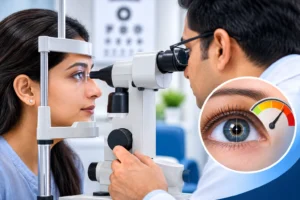 An eye pressure test is an important part of a comprehensive eye examination. It helps an ophthalmologist measure the pressure inside your eyes and identify unusually high or low readings. High eye pressure is a major risk factor for glaucoma, a condition that can damage the optic nerve and lead to permanent vision loss if left untreated. Since glaucoma often develops without noticeable early symptoms, timely eye pressure testing and regular eye check-ups can help detect potential problems early and protect your long-term vision.
Choosing the Best Eye Hospital in Lucknow for Eye Pressure Testing
When looking for the best eye hospital in Lucknow, consider factors such as experienced ophthalmologists, proper diagnostic facilities and comprehensive eye care services. An accurate eye pressure test can help identify elevated intraocular pressure and assess your risk of glaucoma. Mansarovar Eye Hospital provides eye examination and diagnostic services to help patients monitor their eye health. If you have a family history of glaucoma or notice changes in your vision, consult an ophthalmologist for timely evaluation and appropriate guidance.
Consult an Eye Specialist in Lucknow for Regular Eye Check-Ups
If you are experiencing blurred vision, eye discomfort or have a family history of glaucoma, consulting an experienced eye specialist in Lucknow can help you understand your eye health better. A comprehensive eye examination may include an eye pressure test, optic nerve evaluation and other tests based on your symptoms and risk factors. At Mansarovar Eye Hospital, patients can seek professional guidance for eye pressure monitoring and glaucoma-related concerns. Regular check-ups can help identify potential eye problems early and support better long-term vision care.
Get a Reliable Eye Test in Lucknow for Better Vision Care
Regular eye examinations are essential for maintaining healthy vision and detecting eye conditions at an early stage. If you are searching for an eye test in Lucknow, choose an eye care centre that offers comprehensive diagnostic evaluations based on your vision and eye health needs. An eye examination may include visual acuity testing, eye pressure measurement, refraction and optic nerve assessment, depending on your symptoms. At Mansarovar Eye Hospital, patients can consult eye care professionals for appropriate testing and guidance to maintain long-term eye health.
Who Should Get an Eye Pressure Test?
An eye pressure test is recommended for people who have a family history of glaucoma, diabetes, high myopia or other risk factors affecting eye health. Adults, especially those above 40, should discuss regular eye examinations with an ophthalmologist. During an eye test in Lucknow, an eye specialist may measure intraocular pressure to check for unusually high readings and assess the optic nerve for signs of glaucoma. Early evaluation can help identify potential problems before noticeable vision loss occurs.
Complete Eye Care in Lucknow for Healthy Vision
Taking care of your eyes involves more than checking your eyesight when vision becomes blurry. Regular eye examinations, timely eye pressure testing and early diagnosis of eye conditions are important for maintaining healthy vision. If you are looking for reliable eye care in Lucknow, consult an experienced ophthalmologist for guidance based on your eye health and medical history. Mansarovar Eye Hospital offers eye care services to help patients identify potential problems early and make informed decisions about their vision.
Eye Pressure Test in Lucknow for Early Glaucoma Detection
If you are planning an Eye Pressure Test in Lucknow, getting your eyes examined by an experienced ophthalmologist can help you monitor intraocular pressure and identify potential risks associated with glaucoma. The test is quick and generally painless, making it an important part of routine eye health assessments. At Mansarovar Eye Hospital, patients can seek professional guidance for eye pressure evaluation and further investigations if required. Regular monitoring is especially important for people with a family history of glaucoma or other eye-related risk factors.
Affordable Eye Pressure Testing and Expert Eye Care in Lucknow
Timely eye examinations can help detect changes in eye pressure before they affect your vision. If you are searching for an Eye Pressure Test in Lucknow, it is important to choose a hospital with appropriate diagnostic facilities and experienced eye care professionals. An ophthalmologist can evaluate your eye pressure, review your symptoms and recommend further tests whenever necessary. At Mansarovar Eye Hospital, patients can receive guidance on eye pressure monitoring, glaucoma screening and routine eye care to support long-term vision health.
Frequently Asked Questions (FAQs)
1. What is the normal eye pressure range?
The commonly accepted normal eye pressure range is 10–21 mmHg. However, individual readings should be interpreted by an ophthalmologist.
2. Is an Eye Pressure Test painful?
No. Most eye pressure tests are quick and painless. Some methods may involve numbing drops.
3. How long does an eye pressure examination take?
The measurement usually takes only a few minutes, although the complete eye examination may take longer.
4. Can high eye pressure cause blindness?
Untreated glaucoma can lead to permanent vision loss. Elevated eye pressure is a risk factor, but not everyone with high pressure develops glaucoma.
5. How often should I get my eye pressure checked?
The frequency depends on your age, family history, eye health and glaucoma risk. Your ophthalmologist can recommend a suitable schedule.
6. Is an eye pressure check the same as a glaucoma test?
No. Eye pressure measurement is one part of glaucoma evaluation. A complete glaucoma assessment may require additional tests.
7. What is the normal eye pressure range for adults?
The normal eye pressure range for most adults is generally between 10 and 21 mmHg. However, a person can develop glaucoma even with eye pressure within this range, so regular eye examinations are important.
8. Is an eye pressure test painful?
No, an eye pressure test is generally painless. During the test, an ophthalmologist uses a tonometer to measure the pressure inside your eyes. Some methods may involve numbing eye drops.
9. How much does an eye pressure test cost in Lucknow?
The cost of an eye pressure test in Lucknow may vary depending on the hospital, testing method and consultation charges. Contact an eye hospital for the latest test charges.
10. Can high eye pressure cause headaches or blurred vision?
High eye pressure usually does not cause noticeable symptoms in its early stages. However, a sudden increase in eye pressure may cause severe eye pain, headache, blurred vision, nausea or vomiting and requires urgent medical attention.
11. How often should I get an eye pressure test?
The frequency depends on your age, eye health, family history and glaucoma risk. People with a family history of glaucoma or other risk factors may need more frequent eye pressure checks as advised by an ophthalmologist.
12. What happens if my eye pressure test result is high?
If your eye pressure test result is above the normal range, your ophthalmologist may recommend additional tests, such as optic nerve examination, visual field testing or OCT, to assess your glaucoma risk.
13. Can I check my eye pressure at home?
Eye pressure cannot be measured accurately using ordinary home vision tests. A proper measurement requires a specialised tonometry device and professional evaluation by an eye care specialist.
14. Is an eye pressure test the same as a glaucoma test?
No. An eye pressure test measures intraocular pressure, whereas a glaucoma evaluation may include eye pressure measurement, optic nerve assessment, visual field testing and other diagnostic procedures.
15. Does high eye pressure always mean glaucoma?
No. High eye pressure does not automatically mean you have glaucoma. Some people have elevated eye pressure without optic nerve damage, while glaucoma can also develop in people with normal eye pressure. Regular monitoring by an ophthalmologist is important.
Conclusion
An Eye Pressure Test is a valuable part of routine eye care and glaucoma risk assessment. Regular eye examinations can help identify abnormal pressure levels and support early detection of potential eye problems.
If you have concerns about your eye pressure or glaucoma risk, consult an ophthalmologist at Mansarovar Eye Hospital in Lucknow for professional guidance.