
YAG Laser Surgery in Lucknow
YAG Laser Surgery in Lucknow is an advanced, minimally invasive laser procedure used to restore clear vision in patients who develop cloudiness behind an artificial lens after cataract surgery. This condition is commonly called posterior capsule opacification (PCO) or secondary cataract.
After successful cataract surgery, an artificial intraocular lens is placed inside the eye. In some patients, the thin membrane supporting the artificial lens can gradually become cloudy. As a result, vision may become blurred, hazy, or less clear again.
YAG laser Capsulotomy is a modern treatment that creates a small opening in the cloudy capsule, allowing light to pass through the eye more clearly. The procedure does not usually require an incision or stitches and is generally performed on an outpatient basis.
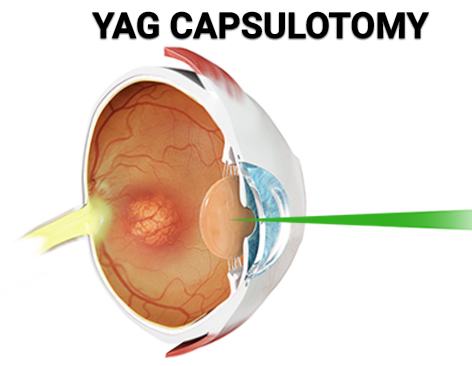
At Mansarovar Eye Hospital, patients can receive evaluation and appropriate laser treatment based on their eye condition, vision requirements, and ophthalmologist's assessment.
What Is YAG Laser Surgery?
YAG stands for yttrium-aluminium-garnet, a type of laser used for various ophthalmic procedures.
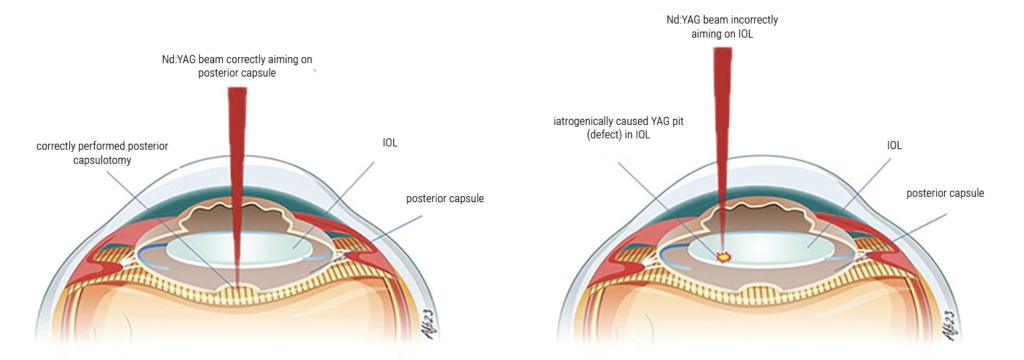
For patients who develop posterior capsule opacification after cataract surgery, the procedure is generally known as YAG laser capsulotomy. During treatment, the ophthalmologist uses a specialized laser to make a precise opening in the cloudy posterior capsule behind the artificial lens.
This opening allows light to reach the retina more effectively and may help improve blurred or hazy vision.
YAG laser treatment is different from traditional eye surgery because it generally does not involve cutting the eye or removing the artificial lens.
Why Is YAG Laser Treatment Needed?
Cataract surgery removes the natural cloudy lens and replaces it with an artificial intraocular lens. Although the artificial lens itself normally remains clear, the capsule surrounding it can sometimes become cloudy over time.
This may cause symptoms such as:
- Blurred vision
- Hazy or cloudy vision
- Reduced visual clarity
- Difficulty reading
- Increased sensitivity to light
- Glare around lights
- Difficulty seeing clearly at night
- Reduced contrast
When these symptoms are caused by posterior capsule opacification, an ophthalmologist may recommend YAG laser capsulotomy.
What Is Posterior Capsule Opacification?
Posterior capsule opacification, commonly abbreviated as PCO, occurs when cells grow or change on the capsule located behind the artificial lens.
It can develop months or years after cataract surgery. Because its symptoms can resemble the return of a cataract, patients may assume that their cataract has come back.
However, a cataract does not usually grow back after the cloudy natural lens has been removed. Instead, cloudiness may develop in the capsule behind the artificial lens.
An eye examination can determine the actual cause of reduced vision and whether YAG laser treatment is appropriate.
Who May Need YAG Laser Surgery?
YAG laser surgery may be recommended for patients who:
- Have previously undergone cataract surgery
- Have developed posterior capsule opacification
- Experience reduced vision because of capsule clouding
- Have glare or hazy vision affecting daily activities
- Have been diagnosed with PCO by an ophthalmologist
The decision to perform YAG laser treatment should be made after a comprehensive eye examination.
YAG Laser Surgery Procedure
The YAG laser procedure is generally quick and does not usually require hospitalization.
Step 1: Eye Examination
The ophthalmologist examines the eye and evaluates the cause of reduced vision. The doctor may assess the artificial lens, retina, optic nerve, eye pressure, and other structures depending on the patient's condition.
Step 2: Eye Drops
Special eye drops may be administered before the procedure. These can help prepare the eye and, when required, control pupil size or eye pressure.
Step 3: Laser Treatment
The patient sits at a specialized laser machine. The ophthalmologist uses a focused YAG laser to create a small opening in the cloudy posterior capsule.
The laser is precisely directed to the required area while avoiding unnecessary damage to surrounding structures.
Step 4: Post-Treatment Assessment
After the procedure, the doctor may check eye pressure and examine the eye. Depending on the patient's condition, prescribed eye drops may be recommended.
Most patients can return home the same day.
How Long Does YAG Laser Surgery Take?
YAG laser capsulotomy is generally a short procedure. The actual laser treatment may take only a few minutes, although the complete visit can take longer because of preparation, examination, and post-treatment monitoring.
The exact duration varies depending on the patient's eye condition and the ophthalmologist's assessment.
Is YAG Laser Surgery Painful?
YAG laser treatment is generally well tolerated. Most patients do not experience significant pain during the procedure.
You may notice bright flashes of light or hear clicking sounds while the laser is being used. Your eye may feel slightly uncomfortable or irritated afterward.
If you experience significant pain or a sudden change in vision after treatment, contact your eye specialist promptly.
Benefits of YAG Laser Treatment
YAG laser capsulotomy offers several potential benefits for suitable patients.
No Surgical Incision
The procedure is performed using a laser and generally does not require a surgical cut.
No Stitches
Because there is usually no incision, stitches are generally not required.
Quick Procedure
The laser treatment itself is usually completed within a short period.
Outpatient Treatment
Patients can generally return home after appropriate post-procedure assessment.
May Improve Vision
When PCO is responsible for reduced vision, opening the cloudy capsule can allow light to pass through more clearly and may improve visual quality.
Convenient Treatment
YAG laser capsulotomy can often be performed without hospital admission.
YAG Laser Surgery After Cataract Surgery
Some patients notice excellent vision after cataract surgery but experience blurred or cloudy vision later. If PCO develops, the ophthalmologist may recommend YAG laser capsulotomy.
The timing can vary significantly between individuals. Some people may develop PCO months after cataract surgery, while others may develop it years later.
Therefore, patients experiencing new vision changes after cataract surgery should have an eye examination rather than assuming that another cataract has developed.
YAG Laser Surgery for Secondary Glaucoma
YAG lasers can also be used for certain glaucoma-related procedures.
For example, YAG laser peripheral iridotomy may be performed in selected patients who have or are at risk of angle-closure glaucoma. In this procedure, the laser creates a small opening in the iris to help improve the movement of fluid within the eye.
This is different from YAG laser capsulotomy for PCO.
The appropriate laser procedure depends on the patient's diagnosis and should be determined by an ophthalmologist after examination.
Is YAG Laser Surgery Safe?
YAG laser treatment is widely used in ophthalmology and is generally considered safe when appropriately indicated and performed by a qualified eye specialist.
However, like any medical procedure, it can have potential risks. These may include temporary inflammation, increased eye pressure, floaters, or other complications.
Rarely, more serious problems can occur. Your ophthalmologist will assess your eye and explain the potential benefits and risks before treatment.
Recovery After YAG Laser Surgery
Recovery is generally quick after YAG laser capsulotomy.
Your doctor may prescribe eye drops depending on your individual condition. You should follow all post-treatment instructions carefully.
Temporary floaters or mild visual disturbances can sometimes occur after the procedure. These may settle with time.
If you experience sudden vision loss, a large increase in floaters, repeated flashes of light, severe eye pain, or a curtain-like shadow in your vision, seek urgent ophthalmic care.
When Can You See Clearly After YAG Laser Treatment?
Some patients notice improved vision relatively soon after treatment, while others may take longer to experience the full benefit.
The outcome depends on factors such as:
- Severity of PCO
- Overall eye health
- Retina condition
- Presence of other eye diseases
- Individual healing response
If vision does not improve as expected, your ophthalmologist may investigate whether another eye condition is contributing to the visual problem.
YAG Laser Surgery Cost in Lucknow
The YAG laser surgery cost in Lucknow can vary depending on several factors. These may include the type of YAG laser procedure, diagnostic examinations, technology used, doctor's evaluation, and the patient's individual eye condition.
Rather than choosing a treatment based only on price, patients should consider proper diagnosis, appropriate technology, experienced ophthalmic care, and follow-up services.
For an accurate estimate, patients can consult the eye care team at Mansarovar Eye Hospital.
Why Choose Mansarovar Eye Hospital for YAG Laser Treatment?
Choosing the right eye care centre is important when undergoing laser treatment.
Mansarovar Eye Hospital focuses on comprehensive ophthalmic evaluation and treatment. Patients can undergo an eye examination to determine the reason for reduced vision and whether YAG laser treatment is appropriate.
Advanced Eye Care
Modern diagnostic and laser technology can support accurate evaluation and appropriate treatment planning.
Experienced Eye Specialists
Treatment is planned according to the patient's individual eye condition and clinical requirements.
Comprehensive Evaluation
An eye examination helps identify PCO and other possible causes of reduced vision.
Patient-Centred Care
Patients receive guidance regarding the procedure, preparation, aftercare, and follow-up requirements.
Preparing for YAG Laser Surgery
Before your YAG laser procedure, your ophthalmologist may provide specific instructions based on your eye condition.
It is important to:
- Inform your doctor about your current medications
- Tell your doctor about previous eye surgeries
- Follow instructions regarding prescribed eye drops
- Bring previous eye reports when available
- Arrange transportation if your vision may be temporarily affected after the procedure
Do not stop any prescribed medication unless your doctor specifically advises you to do so.
Frequently Asked Questions About YAG Laser Surgery
What is YAG laser surgery?
YAG laser surgery is a laser-based ophthalmic procedure used for conditions such as posterior capsule opacification after cataract surgery. It can also be used for certain glaucoma-related procedures.
Is YAG laser surgery the same as cataract surgery?
No. Cataract surgery removes the cloudy natural lens and replaces it with an artificial intraocular lens. YAG laser capsulotomy is generally performed later if the capsule behind the artificial lens becomes cloudy.
Does YAG laser surgery remove the artificial lens?
No. During YAG laser capsulotomy, the artificial lens normally remains in place. The laser creates an opening in the cloudy capsule behind it.
How long does YAG laser treatment take?
The actual laser treatment is usually short, often taking only a few minutes. The total appointment may take longer because of examination and preparation.
Can YAG laser treatment improve blurred vision?
If posterior capsule opacification is the main cause of blurred vision, YAG laser capsulotomy may improve visual clarity. However, the outcome depends on the overall health of the eye.
Is YAG laser treatment painful?
Most patients tolerate the procedure well and do not experience significant pain. Some people may notice bright flashes or mild temporary discomfort.
Can PCO occur again after YAG laser treatment?
A properly created capsulotomy generally provides a lasting opening in the cloudy capsule. However, other eye conditions can still affect vision, so regular eye examinations remain important.
Is YAG laser treatment safe?
YAG laser procedures are commonly performed in ophthalmology and are generally safe when appropriately indicated. Nevertheless, potential risks exist, and your ophthalmologist will discuss them with you.
Can I go home after YAG laser surgery?
YAG laser capsulotomy is generally performed as an outpatient procedure, so patients can usually go home after the necessary post-treatment assessment.
When should I see an eye doctor after cataract surgery?
You should consult an ophthalmologist if you experience new or worsening blurred vision, glare, flashes, floaters, pain, redness, or any sudden change in vision after cataract surgery.
Book a YAG Laser Eye Consultation in Lucknow
If you are experiencing blurred or cloudy vision after cataract surgery, a comprehensive eye examination can help determine the underlying cause.
Mansarovar Eye Hospital provides ophthalmic evaluation and advanced treatment options for patients requiring YAG laser procedures. The ophthalmologist can assess your eyes and recommend the most appropriate treatment according to your individual condition.