7 Important Tips to Choose the Best Eye Doctor in Lucknow
Eye Doctor in Lucknow: 7 Important Tips to Choose the Best Eye Specialist
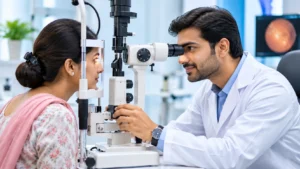
Eye Doctor in Lucknow is an important search for people looking for reliable eye care, accurate diagnosis and advanced treatment for vision problems. Whether you are experiencing blurred vision, eye irritation, frequent headaches or age-related vision changes, consulting a qualified eye doctor in Lucknow can help identify the underlying condition and determine the right treatment.
Your eyes play an essential role in everyday activities. However, several eye diseases can develop gradually without noticeable symptoms. Regular eye examinations and timely medical attention are important for maintaining healthy vision.
If you are searching for the best eye doctor in Lucknow, consider the doctor’s qualifications, experience, diagnostic facilities and available treatment options.
Mansarovar Eye Hospital offers a range of eye care services, including cataract surgery, LASIK, retina care, glaucoma management, cornea treatment and paediatric ophthalmology.
Table of Contents
- Why Choosing the Right Eye Doctor in Lucknow Matters
- Different Types of Eye Doctors
- 7 Tips to Choose the Best Eye Doctor in Lucknow
- Common Eye Problems That Need Medical Attention
- Eye Treatments and Services
- What Happens During an Eye Examination?
- Tips to Maintain Healthy Eyes
- Why Consider Mansarovar Eye Hospital?
- Frequently Asked Questions
Why Choosing the Right Eye Doctor in Lucknow Matters
Choosing the right eye doctor in Lucknow is important because different vision problems require different examinations and treatments.
For example, blurred vision may be caused by refractive errors, cataracts, corneal conditions or retinal diseases. Similarly, eye redness may result from allergies, infections or dry eye syndrome.
An experienced eye doctor in Lucknow can examine your eyes, identify possible problems and recommend appropriate treatment.
Here are some important benefits of consulting the right eye doctor:
- Early diagnosis: Regular examinations can help identify eye diseases before significant vision damage occurs.
- Accurate treatment: A proper diagnosis helps determine whether you need spectacles, medication, laser treatment or surgery.
- Specialised care: Conditions such as glaucoma and retinal disorders may require specialist attention.
- Long-term eye health: Follow-up examinations help monitor existing conditions.
- Patient awareness: A good doctor explains the diagnosis, treatment options and possible risks.
According to the National Eye Institute, many eye diseases may not produce noticeable early symptoms. Professional eye examinations are therefore important.
Different Types of Eye Doctors
Before selecting an eye doctor in Lucknow, understand the different professionals involved in eye care.
1. Ophthalmologist
An ophthalmologist is a medical doctor specialising in eye and vision care. Ophthalmologists diagnose eye diseases, prescribe medication, perform surgeries and manage complex eye conditions.
They treat cataracts, glaucoma, retinal disorders, corneal diseases and other eye-related problems.
2. Optometrist
An optometrist specialises in vision examinations, identifying refractive errors and prescribing corrective lenses. They can also identify eye problems that require referral to an ophthalmologist.
3. Optician
An optician helps patients select and fit spectacles and other prescribed optical products.
If you have eye pain, an injury, sudden vision changes or a medical eye condition, consulting a qualified ophthalmologist is generally appropriate.
Learn more through the National Eye Institute’s guide to finding an eye doctor.
7 Tips to Choose the Best Eye Doctor in Lucknow
Finding the best eye doctor in Lucknow requires evaluating several factors. These seven tips can help you make an informed decision.
1. Check Medical Qualifications and Specialisation
The first thing to consider is the doctor’s medical qualification and area of specialisation.
Eye care includes several specialised fields, such as cataract surgery, retina, glaucoma, cornea and paediatric ophthalmology.
Before booking an appointment with an eye doctor in Lucknow, check:
- Recognised medical qualifications.
- Ophthalmology training and specialisation.
- Relevant clinical experience.
- Professional registration and credentials.
- Experience treating your specific eye condition.
For example, patients diagnosed with retinal detachment may require a vitreoretinal specialist, while people with glaucoma need appropriate glaucoma evaluation and management.
Choosing an eye doctor whose expertise matches your condition can help ensure appropriate medical attention.
2. Look for Comprehensive Eye Examination Facilities
A good eye hospital should offer appropriate diagnostic facilities to evaluate different parts of the eye.
When visiting an eye doctor in Lucknow, you may be recommended the following examinations depending on your symptoms:
- Visual acuity testing.
- Refraction testing.
- Slit-lamp examination.
- Intraocular pressure measurement.
- Retinal examination.
- Optical Coherence Tomography (OCT).
- Visual field testing.
- Corneal evaluation.
These investigations help doctors assess eye structures and identify possible abnormalities.
Before selecting an eye hospital in Lucknow, check whether it offers the diagnostic services relevant to your condition.
3. Consider Experience in Your Eye Condition
Experience is particularly important when dealing with complex eye conditions or considering surgical treatment.
For example, cataract surgery requires an examination of the natural lens, cornea and retina. Similarly, retinal diseases may require specialised imaging and treatment.
Ask your eye doctor in Lucknow about:
- Experience treating your condition.
- Available treatment approaches.
- Expected benefits and limitations.
- Possible complications and risks.
- Post-treatment monitoring requirements.
Remember that treatment outcomes vary between patients and depend on individual medical conditions.
4. Check the Range of Eye Care Services
A hospital offering multiple eye care services can make diagnosis, treatment and follow-up more convenient.
Look for services such as:
- Cataract surgery.
- LASIK and refractive surgery.
- Retina and vitreous treatment.
- Glaucoma management.
- Cornea treatment.
- Paediatric ophthalmology.
- Uveitis management.
- Oculoplasty.
An experienced eye doctor in Lucknow can evaluate your condition and guide you towards the appropriate department or specialist.
5. Read Patient Reviews and Hospital Feedback
Patient reviews can provide useful information about the overall hospital experience.
While searching for the best eye doctor in Lucknow, check feedback on Google Business Profile and other trusted platforms.
Consider reviews discussing:
- Doctor communication.
- Consultation experience.
- Staff behaviour.
- Cleanliness and hygiene.
- Appointment management.
- Explanation of treatment options.
- Follow-up support.
Do not make your decision based on star ratings alone. Online reviews represent individual experiences and do not guarantee clinical outcomes.
6. Understand Treatment Costs and Transparency
Eye treatment costs vary according to the condition, diagnostic requirements, technology and procedure.
For example, cataract surgery costs may differ depending on the surgical technique and intraocular lens selected.
Before undergoing treatment, ask your eye doctor in Lucknow or the hospital about:
- Consultation charges.
- Diagnostic investigation costs.
- Surgery or treatment expenses.
- Medicines and additional charges.
- Follow-up consultation costs.
- Insurance or cashless facilities, if available.
A trustworthy healthcare provider should explain the proposed treatment and associated expenses clearly.
7. Evaluate Accessibility and Follow-Up Care
Eye treatment does not always end after the first consultation.
Some conditions require regular monitoring, medication adjustments or postoperative examinations.
When choosing an eye doctor in Lucknow, consider the hospital’s location, appointment availability and follow-up arrangements.
Patients travelling from Gomti Nagar, Hazratganj, Indira Nagar, Aliganj, Aminabad and other parts of Lucknow may also consider travel convenience.
Common Eye Problems That Need Medical Attention
Several eye conditions can affect people of different age groups. Recognising their symptoms can help you seek timely medical attention from an eye doctor in Lucknow.
1. Cataract
A cataract develops when the natural lens of the eye becomes cloudy, resulting in blurred or reduced vision.
Common symptoms include:
- Blurred or cloudy vision.
- Difficulty seeing at night.
- Sensitivity to light.
- Faded colours.
- Frequent changes in spectacle power.
When cataracts interfere with daily activities, an eye doctor in Lucknow may recommend surgery. The cloudy natural lens is removed and generally replaced with an artificial intraocular lens.
Explore cataract and other eye care services at Mansarovar Eye Hospital.
2. Glaucoma
Glaucoma is a group of eye diseases that damage the optic nerve. Elevated eye pressure is an important risk factor, although glaucoma can also occur with normal eye pressure.
Open-angle glaucoma may progress without noticeable early symptoms.
Possible symptoms in advanced stages include:
- Loss of peripheral vision.
- Gradual reduction in vision.
- Difficulty noticing objects at the sides.
An eye doctor in Lucknow can evaluate glaucoma risk and recommend appropriate treatment, which may include prescribed eye drops, laser procedures or surgery.
3. Diabetic Retinopathy
Diabetic retinopathy occurs when high blood sugar levels damage the blood vessels in the retina.
Symptoms may include blurred vision, floaters, dark spots and fluctuating vision.
Some patients may not experience symptoms during the early stages. People with diabetes should consult an eye doctor in Lucknow for advice about regular retinal examinations.
4. Retinal Detachment
Retinal detachment occurs when the retina separates from its underlying supportive tissue.
Warning signs include:
- Sudden increase in floaters.
- Flashes of light.
- A curtain-like shadow in the field of vision.
- Sudden or progressive vision loss.
Retinal detachment requires urgent medical evaluation because delayed treatment can lead to permanent vision loss.
5. Dry Eye Syndrome
Dry eye occurs when the eyes do not produce enough tears or when tears evaporate too quickly.
Common symptoms include burning, stinging, redness, irritation and temporary blurred vision.
Long screen exposure, ageing, environmental conditions and certain medications can contribute to dry eye symptoms.
An eye doctor in Lucknow can assess the underlying cause and recommend suitable treatment, which may include lubricating drops and other medical interventions.
6. Refractive Errors
Refractive errors occur when light does not focus correctly on the retina.
Common types include:
- Myopia: Difficulty seeing distant objects.
- Hyperopia: Difficulty focusing on nearby objects.
- Astigmatism: Distorted or blurred vision.
- Presbyopia: Age-related difficulty focusing on nearby objects.
These conditions may be corrected using spectacles, contact lenses or suitable refractive surgery.
7. Eye Infections and Conjunctivitis
Eye infections and inflammation can cause redness, irritation, discharge and swelling.
The cause may be bacterial, viral, allergic or related to other eye conditions.
An eye doctor in Lucknow can identify the cause and recommend appropriate treatment. Avoid using leftover antibiotic or steroid eye drops without medical advice.
Eye Treatments and Services
When choosing an eye hospital, consider the treatments and specialised services available.
Cataract Surgery
Cataract surgery removes the cloudy natural lens and replaces it with an artificial intraocular lens.
Phacoemulsification is a commonly used surgical technique. The choice of procedure and lens depends on the patient’s eye condition and clinical assessment.
LASIK and Refractive Surgery
LASIK is a refractive procedure designed to reduce dependence on spectacles or contact lenses in suitable candidates.
An eye doctor in Lucknow can perform a detailed preoperative assessment to determine whether LASIK is appropriate. Corneal thickness, eye health and refractive stability are among the factors considered.
Not everyone is suitable for LASIK.
Retina and Vitreous Services
The retina is the light-sensitive tissue at the back of the eye.
Retina specialists diagnose and manage:
- Diabetic retinopathy.
- Retinal detachment.
- Macular disorders.
- Retinal vascular diseases.
- Vitreous-related conditions.
Treatment may include retinal laser procedures, injections or vitreoretinal surgery.
Glaucoma Treatment
Glaucoma management focuses on protecting the optic nerve and preventing further damage.
Depending on the condition, treatment may include eye drops, laser procedures or surgery. Regular monitoring is essential because glaucoma-related vision loss is generally irreversible.
Cornea Treatment
The cornea is the transparent front surface of the eye. Corneal diseases may cause blurred vision, irritation and sensitivity to light.
Treatment depends on the diagnosis and may involve medication, specialised procedures or corneal transplantation in selected cases.
Paediatric Ophthalmology
Children can experience refractive errors, squint, lazy eye and congenital eye disorders.
An eye doctor in Lucknow specialising in paediatric ophthalmology can evaluate childhood vision problems and recommend appropriate care.
Early assessment is important because some childhood vision problems can affect visual development.
Uveitis and Oculoplasty
Uveitis refers to inflammation involving the uveal tract. It can cause redness, pain, light sensitivity and blurred vision.
Oculoplasty focuses on conditions affecting the eyelids, tear drainage system, orbit and surrounding structures.
Explore the Mansarovar Eye Hospital services page for more information.
What Happens During an Eye Examination?
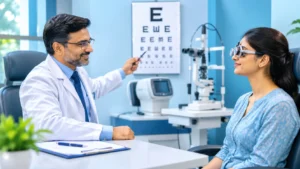
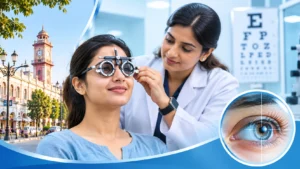
A comprehensive eye examination evaluates both vision and overall eye health. An eye doctor in Lucknow may recommend different tests depending on your symptoms, age and medical history.
Step 1: Medical and Eye History
The doctor may ask about your current symptoms, previous eye conditions, surgeries, diabetes, family history and medication use.
Step 2: Vision Testing
Visual acuity testing measures how clearly you see at different distances. Refraction testing helps identify whether you need spectacles or a prescription change.
Step 3: Examination of Eye Structures
A slit-lamp examination helps evaluate the cornea, iris and lens. The doctor may also examine the retina and optic nerve.
Step 4: Additional Diagnostic Tests
Depending on the suspected condition, OCT, retinal imaging, visual field testing or intraocular pressure measurement may be recommended.
Step 5: Diagnosis and Treatment Planning
After evaluating the findings, the eye doctor in Lucknow explains the diagnosis and recommends appropriate treatment, medication, further investigations or monitoring.
Read the American Academy of Ophthalmology’s eye examination guide.
Tips to Maintain Healthy Eyes
Along with regular consultations with an eye doctor in Lucknow, healthy daily habits can support long-term eye health.
Follow the 20-20-20 Rule
During prolonged screen use, take regular breaks. Every 20 minutes, look at something approximately 20 feet away for at least 20 seconds.
This may help reduce digital eye strain.
Maintain a Balanced Diet
Include leafy green vegetables, fruits, nuts and fish as part of a balanced diet.
Protect Your Eyes from UV Exposure
Wear appropriate UV-protective sunglasses when outdoors, particularly during strong sunlight.
Maintain Proper Hygiene
Wash your hands before touching your eyes or handling contact lenses. Follow the recommended cleaning and replacement schedule for contact lenses.
Manage Diabetes and Blood Pressure
Uncontrolled diabetes and high blood pressure can increase the risk of eye complications. Follow your physician’s advice and maintain appropriate eye examination schedules.
Avoid Self-Medication
Do not use prescription eye drops without professional advice. Incorrect use of steroid-containing drops can cause complications.
Schedule Regular Eye Examinations
Examination frequency depends on age, symptoms, medical history and risk factors. People with diabetes or existing eye conditions may need more frequent monitoring.
For additional guidance, visit the National Eye Institute’s healthy vision resources.
Why Consider Mansarovar Eye Hospital in Lucknow?
When searching for a reliable eye doctor in Lucknow, patients should consider a hospital that offers relevant diagnostic and treatment facilities across different areas of ophthalmology.
Mansarovar Eye Hospital is an established eye care institution in Lucknow, with a history dating back to 1930.
The hospital offers a range of specialised eye care services, including:
- Cataract surgery.
- LASIK laser surgery.
- Vitreo-retinal services.
- Glaucoma diagnosis and treatment.
- Cornea care.
- Uveitis management.
- Strabismus and paediatric ophthalmology.
- Oculoplasty.
Patients looking for an experienced eye doctor in Lucknow can explore available services and identify the appropriate department according to their medical requirements.
Looking for an Eye Doctor in Lucknow?
Do not ignore changes in your vision. Schedule an eye consultation at Mansarovar Eye Hospital to discuss your symptoms and understand appropriate diagnostic and treatment options.
Visit the official Mansarovar Eye Hospital website to explore its eye care services.
Frequently Asked Questions
1. How do I choose the best eye doctor in Lucknow?
Check the doctor’s qualifications, specialisation, relevant experience and hospital diagnostic facilities. Also consider patient feedback, treatment transparency and follow-up arrangements.
2. When should I visit an eye doctor?
Visit an eye doctor in Lucknow if you experience blurred vision, persistent redness, eye pain or unusual visual changes. Sudden vision loss, flashes or a curtain-like shadow require urgent medical attention.
3. What is the difference between an eye specialist and an ophthalmologist?
An ophthalmologist is a medical doctor specialising in eye care who can diagnose and treat eye diseases and perform surgery. The term eye specialist is commonly used more broadly.
4. How often should I get my eyes checked?
The frequency depends on your age, eye health and medical risk factors. People with diabetes, glaucoma or existing eye conditions may need more frequent examinations.
5. Can an eye doctor treat cataracts and glaucoma?
Yes. An eye doctor in Lucknow who is a qualified ophthalmologist can diagnose and manage both conditions. Treatment may involve medication, laser procedures or surgery, depending on the diagnosis.
6. Is LASIK suitable for everyone?
No. LASIK is suitable only for selected candidates after a detailed eye examination. Corneal health, prescription stability and other medical factors must be assessed.
7. What tests are performed during an eye check-up?
An examination may include visual acuity testing, refraction, slit-lamp examination, eye pressure measurement and retinal evaluation. Additional investigations may also be recommended.
8. Can diabetes affect eyesight?
Yes. Diabetes can damage retinal blood vessels and cause diabetic retinopathy. Regular retinal examinations and diabetes management are important.
9. What should I do if I suddenly lose vision?
Sudden vision loss is a medical emergency. Seek immediate evaluation at an eye emergency service or hospital.
10. Where can I find comprehensive eye care services in Lucknow?
Mansarovar Eye Hospital offers multiple ophthalmic services, including cataract, LASIK, retina, glaucoma, cornea and paediatric eye care. Visit its official website for consultation and service information.
Conclusion
Choosing the right eye doctor in Lucknow is an important step towards maintaining good vision and protecting long-term eye health.
Whether you need a routine eye check-up, cataract evaluation, LASIK consultation, glaucoma management or specialised retina care, selecting an appropriately qualified eye doctor can help you receive suitable medical attention.
Do not wait for vision problems to become severe. Regular examinations, timely diagnosis and appropriate treatment can make an important difference in managing many eye conditions.
For comprehensive ophthalmic care, explore the services available at Mansarovar Eye Hospital and consult an eye care professional for advice based on your individual needs.
Medical Disclaimer: This article is intended for general educational purposes and does not replace professional medical advice, diagnosis or treatment. Always consult a qualified eye care professional for individual medical concerns.