
Vitreo Retinal Services In Lucknow
Best Vitreo Retinal Services in Lucknow focus on the diagnosis, monitoring, and treatment of conditions affecting the retina and vitreous, which are important parts of the eye responsible for clear and detailed vision. The retina is a light-sensitive layer at the back of the eye that receives visual information and sends signals to the brain. The vitreous is a clear, gel-like substance that fills the space between the lens and the retina.
Problems affecting the retina or vitreous can sometimes develop gradually without obvious symptoms. In other cases, changes such as sudden flashes, new floaters, blurred vision, distorted vision, or loss of vision may occur unexpectedly.
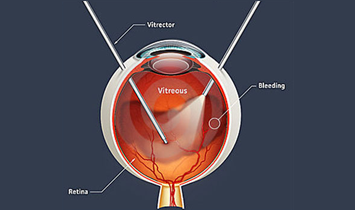
Timely evaluation by a retina specialist can help identify the cause and determine whether observation, medical treatment, laser treatment, injections, or surgery may be appropriate. At Mansarovar Eye Hospital, patients can seek specialized consultation and evaluation for a wide range of vitreoretinal conditions. Our approach focuses on accurate diagnosis, appropriate treatment planning, and regular follow-up based on the individual needs of each patient.
What Are Vitreo Retinal Services?
Vitreo retinal services involve specialized eye care for diseases and disorders affecting the retina, macula, and vitreous. These services may include clinical examination, retinal imaging, diagnostic testing, medical management, laser procedures, intravitreal treatment, and surgical evaluation when required.
The retina plays a central role in vision. Conditions affecting this delicate tissue can have a significant impact on sight if they are not appropriately evaluated and managed.
Vitreo retinal care may be required for patients with diabetes, age-related retinal changes, retinal vascular disorders, retinal tears, retinal detachment, macular problems, vitreous hemorrhage, inflammation, and other retinal conditions.
Why Is Retina Care Important?
The retina is a highly sensitive tissue, and certain retinal conditions can progress without causing pain. This can make regular eye examinations particularly important for people who have risk factors for retinal disease.
Some retinal problems can be managed with regular monitoring, while others may require timely intervention. Early assessment can help an eye specialist understand the condition and decide on the most suitable treatment approach.
Patients should not ignore sudden changes in vision. A sudden increase in floaters, flashes of light, a dark curtain or shadow in the field of vision, or sudden loss of sight can be warning signs of a serious retinal problem and should receive prompt medical attention.
Vitreo Retinal Conditions We Evaluate
Mansarovar Eye Hospital provides evaluation and management for various conditions affecting the retina and vitreous.
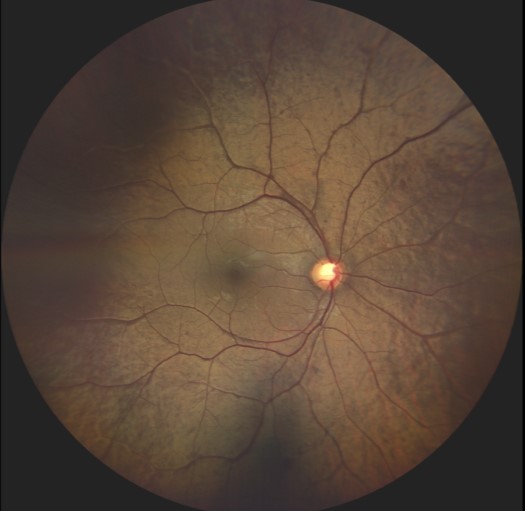
Rare condition called Oguchis disease diagnosed at our centre
Diabetic Retinopathy
Diabetes can affect the blood vessels of the retina and may lead to diabetic retinopathy. In its early stages, diabetic retinopathy may not cause noticeable symptoms.
As the condition progresses, patients may experience blurred vision, floaters, or changes in visual clarity. Advanced disease can lead to bleeding, swelling, abnormal blood vessel growth, or other complications.
Regular retinal examinations are important for people with diabetes. Depending on the severity of the condition, management may involve observation, medicines, laser treatment, injections, or surgical intervention.
Diabetic Macular Edema
Diabetic macular edema occurs when fluid accumulates in or around the macula due to changes associated with diabetic retinal disease. Since the macula is responsible for central detailed vision, swelling in this area can affect reading, recognizing faces, and other activities requiring clear central vision.
A retina specialist can assess the retina using appropriate diagnostic imaging and recommend management based on the patient's condition.
Retinal Detachment
A retinal detachment occurs when the retina separates from its normal position. It can be a vision-threatening condition and may require urgent assessment.
Possible warning symptoms include sudden flashes, a sudden increase in floaters, a shadow or curtain-like effect across the vision, or a sudden reduction in eyesight.
Treatment for retinal detachment depends on the type, location, extent, and other clinical factors. Surgical procedures may be required to reposition and secure the retina.
Retinal Tears and Breaks
A retinal tear can occur when changes in the vitreous place traction on the retina. Some retinal tears can increase the risk of retinal detachment.
Early detection is important because appropriate treatment may sometimes prevent progression to a more serious retinal problem. Laser treatment may be considered in suitable cases after examination by a retina specialist.
Macular Disorders
The macula is the central part of the retina responsible for detailed central vision. Several conditions can affect the macula, including age-related changes, swelling, inflammation, and other retinal disorders.
Macular problems may cause blurred or distorted central vision. Patients may notice difficulty reading, recognizing faces, or seeing fine details.
A detailed retinal examination and appropriate imaging can help identify macular changes and guide further management.
Age-Related Macular Degeneration
Age-related macular degeneration, commonly known as AMD, affects the macula and can cause changes in central vision. It is more common with increasing age and can occur in different forms.
Patients may notice distortion, blurred central vision, or difficulty performing tasks that require detailed eyesight. Early assessment and regular monitoring can be important for managing the condition.
Vitreous Hemorrhage
Vitreous hemorrhage occurs when blood enters the vitreous cavity. It can cause sudden floaters, shadows, hazy vision, or significant reduction in eyesight.
Diabetic retinal disease, retinal tears, trauma, and other conditions can contribute to vitreous bleeding. A detailed eye examination is required to identify the underlying cause and determine the appropriate treatment.
Retinal Vein Occlusion
Retinal vein occlusion occurs when a retinal vein becomes blocked, affecting blood circulation within the retina. It may cause sudden or gradual changes in vision.
Retinal swelling and other complications can develop following a vein occlusion. Treatment depends on the patient's retinal findings and may include observation, injections, laser treatment, or other management approaches.
Floaters and Flashes
Floaters may appear as small spots, lines, cobweb-like shapes, or shadows moving across your field of vision. Flashes may appear as brief streaks or bursts of light.
Although floaters and flashes can sometimes occur due to normal age-related changes in the vitreous, sudden or significant changes may be associated with retinal tears or retinal detachment.
A sudden increase in floaters or flashes should therefore be evaluated promptly.
Retinal Diagnostic Services
Accurate diagnosis is an important part of vitreoretinal care. Depending on the patient's symptoms and clinical findings, a retina specialist may recommend different diagnostic tests.
These may include:
- Detailed retinal examination
- Visual acuity assessment
- Dilated eye examination
- Optical Coherence Tomography or OCT
- Fundus photography
- Retinal imaging
- Fluorescein angiography when indicated
- B-scan ultrasonography when required
- Other specialized retinal investigations
Diagnostic tests help the eye specialist understand the condition of the retina, macula, and vitreous and monitor changes over time.
OCT for Retina and Macula Evaluation
Optical Coherence Tomography, commonly called OCT, is an important imaging technique used to obtain detailed cross-sectional images of the retina.
OCT can help evaluate retinal thickness, macular changes, fluid accumulation, swelling, and other structural abnormalities. It may be useful in the evaluation and follow-up of several retinal and macular conditions.
The need for OCT depends on the patient's symptoms and examination findings.
Vitreo Retinal Treatment Options
Treatment for retinal conditions varies depending on the diagnosis and severity of the disease. There is no single treatment suitable for every retinal problem.
Depending on the condition, treatment may include:
Observation and Regular Monitoring
Some retinal conditions may remain stable and can be monitored through regular examinations. Your retina specialist can recommend an appropriate follow-up schedule based on your condition.
Intravitreal Injections
Certain retinal conditions involving abnormal blood vessels, inflammation, or retinal swelling may be treated with medicines delivered inside the eye through an intravitreal injection.
The medicine and number of injections depend on the specific retinal condition and response to treatment.
Retinal Laser Treatment
Laser treatment may be recommended for selected retinal conditions. For example, laser may be used to treat certain retinal tears or areas of abnormal retinal blood vessel growth.
Whether laser treatment is appropriate depends on the findings during a detailed retinal examination.
Vitreoretinal Surgery
Some serious retinal and vitreous conditions may require surgery. Surgical treatment may be considered for conditions such as retinal detachment, certain vitreous hemorrhages, complicated retinal disorders, or other conditions where surgery is clinically indicated.
The type of procedure depends on the patient’s individual retinal condition.
Why Choose Mansarovar Eye Hospital for Vitreo Retinal Care?
Choosing an appropriate eye care centre is important when dealing with retinal conditions. Mansarovar Eye Hospital focuses on comprehensive eye evaluation and individualized care.
Patients can seek consultation for common and complex retinal concerns, including diabetic retinal disease, retinal detachment, macular disorders, floaters, flashes, and vitreous problems.
The treatment approach is based on clinical examination, diagnostic findings, medical history, and the individual needs of the patient. When required, patients may also receive guidance regarding specialized retinal procedures and follow-up care.
When Should You See a Retina Specialist?
You should consider a retinal evaluation if you experience:
- Sudden increase in eye floaters
- New flashes of light
- Blurred or distorted central vision
- Sudden reduction in eyesight
- A dark curtain or shadow in your vision
- Unexplained vision changes
- Vision problems associated with diabetes
- Previous retinal problems
- A history of retinal surgery or retinal detachment
Sudden changes in vision should not be ignored. Prompt evaluation can help determine whether urgent treatment is necessary.
People with diabetes should also follow recommended retinal screening schedules because diabetic retinal disease may develop before significant symptoms become noticeable.
Vitreo Retinal Services for Better Eye Health
Retinal health plays an important role in maintaining clear and useful vision. Because several retinal diseases may progress without obvious symptoms, regular examinations can be valuable, particularly for people at higher risk.
If you are looking for Vitreo Retinal Services in Lucknow, Mansarovar Eye Hospital provides consultation and evaluation for a range of retinal and vitreous conditions.
From retinal screening and OCT imaging to medical management, laser treatment, injections, and surgical evaluation when required, the appropriate care is determined according to the patient’s diagnosis and clinical needs.
Frequently Asked Questions About Vitreo Retinal Services
What is a vitreo retinal specialist?
A vitreo retinal specialist is an ophthalmologist with specialized training and experience in diagnosing and managing diseases affecting the retina, macula, and vitreous.
When should I visit a retina specialist?
You should seek retinal evaluation if you experience sudden flashes, a sudden increase in floaters, blurred or distorted vision, a shadow or curtain in your vision, or unexplained changes in eyesight. People with diabetes may also require regular retinal screening.
Can retinal problems be treated without surgery?
Some retinal conditions can be managed with observation, medicines, injections, or laser treatment. However, certain conditions may require surgery. Treatment depends on the diagnosis and severity.
Is OCT useful for retinal conditions?
OCT provides detailed images of the retinal layers and can help doctors evaluate and monitor various macular and retinal conditions. Your eye specialist can determine whether OCT is appropriate for you.
Are floaters always dangerous?
Not necessarily. Some floaters can occur due to normal changes in the vitreous. However, sudden new floaters, especially when accompanied by flashes or a shadow in the vision, should be evaluated promptly.
Can diabetes affect the retina?
Yes. Diabetes can damage retinal blood vessels and may lead to diabetic retinopathy and diabetic macular edema. Regular eye examinations are important for people with diabetes.
Book a Vitreo Retina Consultation in Lucknow
Your retina plays an essential role in vision, and changes in retinal health should be evaluated by an experienced eye care professional. Early assessment can help identify retinal problems and determine the appropriate treatment or monitoring plan.
If you have symptoms such as flashes, floaters, blurred vision, distortion, or sudden changes in eyesight, contact Mansarovar Eye Hospital for an eye examination and retinal consultation.
For patients looking for Best Vitreo Retinal Services in Lucknow, professional evaluation and timely care can help protect vision and support long-term eye health.