
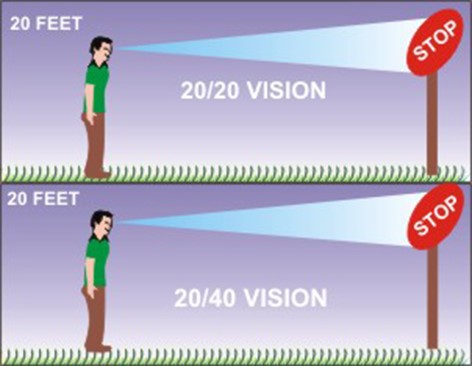
The term 20/20 vision refers to visual acuity, particularly the ability to see clearly at a standard distance. In countries that use the feet-based measurement system, the first 20 refers to the distance of 20 feet. The second 20 represents what a person with standard visual acuity is expected to see at that distance.
For example, a person with 20/20 vision can generally identify the same line on a standard eye chart at 20 feet that a person with standard visual acuity can identify from 20 feet.
Visual acuity can also be expressed using different measurements in other countries. The important point is that 20/20 vision is a measurement of clarity of vision rather than a complete assessment of eye health.
Is 20/20 Vision Perfect Vision?
Although 20/20 vision is considered normal visual acuity, it does not mean that a person has perfect eyesight in every aspect.
A person may have 20/20 distance vision and still experience problems with:
- Peripheral vision
- Colour vision
- Night vision
- Depth perception
- Eye focusing
- Eye coordination
- Dry eyes
- Early eye disease
Some eye conditions may also develop without noticeable changes in visual acuity during the early stages. This is why comprehensive eye examinations can be important even when your vision appears normal.
How Is 20/20 Vision Tested?
An eye specialist or optometrist may use a visual acuity chart to assess how clearly you can see at a particular distance. You may be asked to identify letters, numbers, or symbols that become progressively smaller on the chart.
Each eye may be tested separately, followed by an assessment using both eyes together. If your visual acuity is below the expected level, the eye care professional may perform additional tests to determine whether refractive error or another eye condition is affecting your vision.
Depending on your symptoms and eye health, an examination may include additional assessments of the front and back of the eye.
What Can Affect Visual Acuity?
Several factors can influence how clearly a person sees. Common causes of reduced visual acuity include refractive errors such as myopia, hyperopia, and astigmatism.
Age-related changes can also affect vision. Presbyopia, for example, can make it difficult to focus on nearby objects as people get older.
Other eye conditions, including cataract, glaucoma, retinal disorders, corneal problems, and certain diseases affecting the visual system, can also influence vision.
Health conditions such as diabetes may increase the risk of certain eye problems. Regular eye examinations can help identify changes that may require further evaluation.
Why Regular Eye Examinations Matter
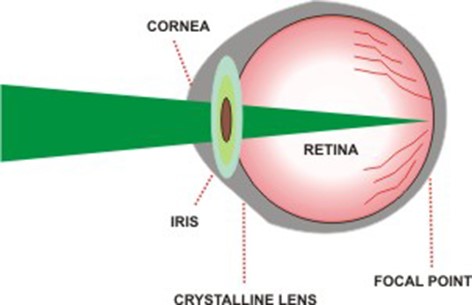
Even if you have clear vision, regular eye examinations can help monitor your eye health. An eye examination is not limited to checking whether you can read an eye chart. Depending on your age, symptoms, risk factors, and medical history, your eye specialist may evaluate different structures and functions of the eyes.
Early detection can be particularly important for conditions that may not produce obvious symptoms initially. Regular examinations may help identify changes and allow appropriate management when required.
Children, adults, older individuals, people with diabetes, and those with a family history of certain eye diseases may have different eye examination needs.
How to Maintain Healthy Vision
Maintaining healthy vision involves more than achieving 20/20 visual acuity. Simple habits can support overall eye health.
These may include having regular eye examinations, following prescribed treatment, maintaining a healthy lifestyle, managing conditions such as diabetes, protecting your eyes from injury, and taking appropriate breaks during prolonged screen use.
If you wear glasses or contact lenses, using the correct prescription and following proper lens-care practices is also important.
Protective eyewear can be useful during activities where the eyes may be exposed to dust, chemicals, flying particles, or potential injury.
When Should You Visit an Eye Specialist?
You should consider an eye examination if you experience persistent blurred vision, difficulty seeing at night, headaches associated with visual tasks, eye strain, double vision, eye pain, redness, flashes of light, or a sudden increase in floaters.
A sudden loss or significant change in vision requires prompt medical evaluation.
You should also consider routine eye care even when you do not have noticeable symptoms. The appropriate frequency of examinations depends on factors such as age, existing eye conditions, family history, overall health, and previous eye care recommendations.
20/20 Vision and Comprehensive Eye Care in Lucknow
If you are looking for professional eye care in Lucknow, Mansarovar Eye Hospital provides consultation and eye care services for a wide range of vision and eye health concerns.
Whether you need a routine vision check, evaluation for reduced visual acuity, assessment of an existing eye condition, or guidance regarding your eye health, an eye specialist can help determine the appropriate examination and care based on your individual needs.
Remember, 20/20 vision is only one measure of visual acuity. Healthy eyes require comprehensive evaluation, preventive care, and timely attention to any changes in vision.
Take Care of Your Vision
Clear vision plays an important role in everyday activities such as reading, working, driving, learning, and recognizing people and objects. Protecting your eyesight involves regular examinations and paying attention to changes in your vision.
If you have concerns about your eyesight or want to understand your visual acuity and overall eye health, consult an eye care professional at Mansarovar Eye Hospital, Lucknow.
A routine eye examination can provide valuable information about your vision and help identify whether further evaluation or treatment is required. Taking care of your eyes today can support better vision and eye health for the future.