
Glaucoma Services in Lucknow
Glaucoma Services in Lucknow focus on the early detection, accurate diagnosis, monitoring, and management of glaucoma, a group of eye conditions that can damage the optic nerve and lead to permanent vision loss. Glaucoma may develop gradually without noticeable symptoms, which is why regular eye examinations are important, particularly for people at increased risk.
At Mansarovar Eye Hospital, comprehensive glaucoma care is provided to help patients understand their eye condition and receive appropriate treatment based on their individual needs.
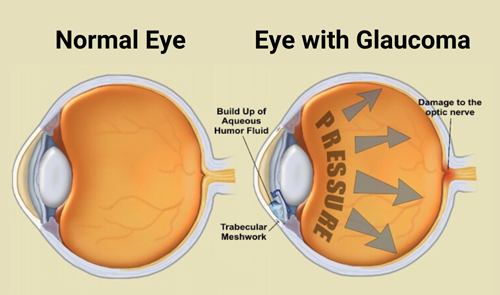
What Is Glaucoma?
Glaucoma is a group of eye conditions that can damage the optic nerve, which carries visual information from the eye to the brain. The damage is often associated with increased eye pressure, although glaucoma can also occur when eye pressure is within a statistically normal range.
In many cases, glaucoma develops slowly and may not cause obvious symptoms in its early stages. Peripheral vision can gradually become affected before a person notices a significant change in everyday sight.
Because vision loss caused by glaucoma can be permanent, regular eye examinations are an important part of glaucoma management.
Why Choose Glaucoma Services in Lucknow?
Choosing appropriate Glaucoma Services in Lucknow is important when you have symptoms, risk factors, or a previous diagnosis of glaucoma. A detailed evaluation can help determine whether the optic nerve is healthy and whether further monitoring or treatment is required.
Specialized glaucoma care may include:
- Comprehensive eye examination
- Eye pressure measurement
- Optic nerve assessment
- Visual field evaluation
- Gonioscopy when required
- Retinal and optic nerve imaging
- Glaucoma risk assessment
- Monitoring of glaucoma progression
- Medical treatment
- Laser treatment when clinically appropriate
- Surgical management in selected cases
- Long-term follow-up
At Mansarovar Eye Hospital, the treatment approach is based on the patient's clinical condition, level of risk, visual requirements, and examination findings.
Types of Glaucoma
Glaucoma is not a single disease. Different types can affect the eye in different ways.
Open Angle Glaucoma
Open-angle glaucoma is one of the common forms of glaucoma. The drainage angle remains open, but fluid does not drain from the eye as efficiently as it should.
The condition may progress slowly, and many patients do not notice symptoms during the early stages. Regular eye examinations can help identify changes before significant vision loss occurs.
Angle Closure Glaucoma
Angle closure glaucoma occurs when the drainage angle becomes narrowed or closed. It can sometimes develop suddenly and may cause severe eye pain, redness, blurred vision, halos around lights, headache, nausea, or vomiting.
Sudden symptoms of this type require urgent medical attention because rapid increases in eye pressure can threaten vision.
Normal Tension Glaucoma
In normal tension glaucoma, optic nerve damage can occur even when measured eye pressure is within the usual range.
Because pressure alone cannot identify every case of glaucoma, optic nerve assessment and other diagnostic examinations are important when evaluating glaucoma risk.
Secondary Glaucoma
Secondary glaucoma can occur as a result of another eye condition, injury, inflammation, medication use, or other underlying causes.
Treatment may involve managing the underlying cause along with controlling eye pressure when necessary.
Congenital or Childhood Glaucoma
Glaucoma can occasionally affect infants and children. Symptoms and treatment requirements can differ from those seen in adults.
Children with suspected glaucoma require appropriate examination and specialist evaluation.
Symptoms of Glaucoma
Glaucoma is sometimes called a silent eye disease because it may cause few noticeable symptoms during its early stages.
Possible symptoms can include:
- Gradual loss of peripheral vision
- Difficulty seeing in certain situations
- Blurred vision
- Eye pain in some forms of glaucoma
- Redness of the eye
- Halos around lights
- Headache
- Nausea or vomiting in acute cases
- Sudden vision changes
The absence of symptoms does not necessarily mean that the eyes are healthy. Regular eye examinations are particularly important for people who have glaucoma risk factors.
Who Is at Higher Risk of Glaucoma?
Some people have a greater risk of developing glaucoma. Risk can increase with age and may also be associated with family history and certain eye or health-related factors.
You may need regular glaucoma screening if you have:
- A family history of glaucoma
- Increasing age
- High eye pressure
- Previous eye injury
- Certain eye conditions
- Long-term use of certain medications such as corticosteroids
- A history of glaucoma in one eye
- Other risk factors identified by an eye specialist
Your ophthalmologist can recommend an appropriate examination schedule based on your individual risk.
Glaucoma Diagnosis in Lucknow
Accurate diagnosis is an important part of effective glaucoma management. A glaucoma examination generally involves more than simply measuring eye pressure.
Depending on your condition, your ophthalmologist may recommend several tests.
Eye Pressure Measurement
Intraocular pressure, or IOP, measures the pressure inside the eye. Elevated pressure can increase the risk of optic nerve damage, although glaucoma can also occur without elevated eye pressure.
Optic Nerve Examination
The optic nerve is carefully examined for signs of damage or changes associated with glaucoma.
Visual Field Test
A visual field test evaluates the areas of vision that a person can see while looking straight ahead. It can help identify changes in peripheral vision associated with glaucoma.
Gonioscopy
Gonioscopy allows the ophthalmologist to examine the drainage angle of the eye. This can help determine whether the angle is open, narrow, or closed.
OCT and Optic Nerve Imaging
Optical coherence tomography, commonly known as OCT, can provide detailed images of the optic nerve and retinal structures. It may help the ophthalmologist monitor structural changes over time.
Comprehensive Eye Examination
A complete eye examination helps the ophthalmologist consider the patient’s overall eye health along with glaucoma-related findings.
The combination of tests is selected according to the patient’s age, symptoms, risk factors, and examination results.
Glaucoma Treatment in Lucknow
The main objective of Glaucoma Treatment in Lucknow is to protect the optic nerve and reduce the risk of further vision loss. Treatment cannot usually restore optic nerve damage that has already occurred, which makes early detection and appropriate management important.
Treatment may include:
- Prescription eye drops
- Oral medication in selected situations
- Laser procedures
- Surgical treatment
- Regular monitoring
- Management of associated eye conditions
The appropriate treatment depends on the type and severity of glaucoma and the patient’s response to treatment.
Glaucoma Eye Drops
Prescription eye drops are commonly used to reduce eye pressure. Different medicines work in different ways, such as reducing the production of fluid inside the eye or improving its drainage.
Patients should use glaucoma medicines exactly as prescribed and should not stop treatment without consulting their ophthalmologist.
Laser Treatment for Glaucoma
Laser procedures may be recommended for selected patients depending on the type of glaucoma and the condition of the drainage pathways.
The suitability of laser treatment is determined after a detailed examination.
Glaucoma Surgery
Surgery may be considered when eye pressure is not adequately controlled with medicines or laser treatment, or when the ophthalmologist believes surgical intervention is appropriate.
The choice of procedure depends on the patient’s specific condition and previous treatment.
Importance of Regular Glaucoma Follow-Up
Glaucoma management is generally a long-term process. Even when you do not experience symptoms, regular follow-up examinations can be important.
During follow-up visits, the ophthalmologist may evaluate:
- Eye pressure
- Optic nerve health
- Visual field
- OCT findings
- Medication response
- Possible progression of glaucoma
Regular monitoring allows changes to be identified and treatment to be adjusted when necessary.
Patients should maintain their scheduled appointments and inform their ophthalmologist about any new symptoms or difficulties with prescribed medication.
Can Glaucoma Cause Permanent Vision Loss?
Yes. Glaucoma can cause permanent vision loss when optic nerve damage progresses. Vision that has already been lost due to glaucoma generally cannot be restored.
However, appropriate treatment and regular monitoring can help reduce the risk of further damage. This is why early detection is especially important.
People who have glaucoma risk factors should discuss appropriate screening with an eye specialist.
Glaucoma Prevention and Eye Care
There is no guaranteed way to prevent every type of glaucoma. However, regular eye examinations can help detect the condition early.
Helpful practices include:
Get Regular Eye Examinations
Routine eye examinations can identify glaucoma and other eye conditions before noticeable symptoms develop.
Know Your Family History
A family history of glaucoma can increase your risk. Inform your ophthalmologist if close family members have been diagnosed with glaucoma.
Protect Your Eyes From Injury
Use suitable protective eyewear during activities where eye injuries are possible. Trauma can contribute to certain forms of secondary glaucoma.
Follow Your Treatment Plan
If you have already been diagnosed with glaucoma, use prescribed medicines consistently and attend follow-up appointments.
Do Not Stop Glaucoma Medication Without Advice
Even if your vision feels normal, glaucoma can continue progressing. Stopping prescribed medication without professional advice may increase the risk of uncontrolled eye pressure.
Why Choose Mansarovar Eye Hospital for Glaucoma Care?
Mansarovar Eye Hospital provides comprehensive ophthalmic services for patients seeking evaluation and management of glaucoma and other eye conditions.
Patients searching for the Best Glaucoma Services in Lucknow can benefit from a detailed approach that includes diagnosis, treatment planning, monitoring, and follow-up.
Mansarovar Eye Hospital focuses on:
- Comprehensive glaucoma evaluation
- Detailed eye examinations
- Eye pressure assessment
- Optic nerve evaluation
- Visual field assessment when required
- OCT and other diagnostic evaluations when appropriate
- Personalized treatment planning
- Medical and laser management when indicated
- Long-term monitoring
- Patient-focused eye care
The objective is to identify glaucoma as early as possible and provide appropriate care based on each patient’s condition.
When Should You Visit a Glaucoma Specialist?
You should consider a glaucoma evaluation if you have been told that your eye pressure is high, have a family history of glaucoma, or have noticed changes in your peripheral vision.
A glaucoma consultation may also be recommended if you have previously been diagnosed with glaucoma or have another condition that increases your risk.
Seek urgent eye care if you experience sudden severe eye pain, redness, blurred vision, halos around lights, headache, nausea, or sudden vision changes. These symptoms can occur with acute angle closure and require prompt assessment.
Frequently Asked Questions About Glaucoma Services in Lucknow
What are glaucoma services?
Glaucoma services include the examination, diagnosis, treatment, and long-term monitoring of glaucoma. Services may involve eye pressure measurement, optic nerve evaluation, visual field testing, OCT, medicines, laser procedures, and surgery when required.
What is the best treatment for glaucoma?
There is no single treatment that is best for every glaucoma patient. Treatment depends on the type and severity of glaucoma, eye pressure, optic nerve condition, visual field findings, and other individual factors.
Can glaucoma be cured?
Glaucoma is generally a chronic condition that requires ongoing management. Treatment aims to control risk factors and protect the optic nerve from further damage.
Can glaucoma cause blindness?
Advanced glaucoma can cause severe and permanent vision loss and may lead to blindness if left untreated. Early diagnosis, appropriate treatment, and regular monitoring can help reduce the risk of progression.
Is high eye pressure always glaucoma?
No. High eye pressure can increase the risk of glaucoma, but not everyone with elevated eye pressure develops glaucoma. Conversely, glaucoma can sometimes occur even when eye pressure is within the usual range.
How often should I get checked for glaucoma?
The appropriate examination frequency depends on your age, family history, eye health, pressure readings, and other risk factors. Your eye specialist can recommend a suitable follow-up schedule.
Is glaucoma treatment painful?
The experience depends on the treatment being performed. Many glaucoma treatments are performed using medicines or procedures designed to minimize discomfort. Your ophthalmologist can explain what to expect before treatment.
Can glaucoma be treated with eye drops?
Yes. Prescription eye drops are commonly used to control eye pressure in many glaucoma patients. The specific medicine and dosage depend on the patient’s condition.
When is glaucoma surgery needed?
Glaucoma surgery may be considered when medicines or other treatments do not adequately control the condition or when surgery is considered the most appropriate option based on the patient’s clinical findings.
Book a Glaucoma Consultation in Lucknow
Glaucoma can progress without obvious symptoms, making regular eye examinations an important part of protecting long-term vision. If you have glaucoma risk factors, high eye pressure, a family history of glaucoma, or previous glaucoma diagnosis, professional evaluation can help determine the appropriate next step.
Mansarovar Eye Hospital provides comprehensive glaucoma evaluation, diagnosis, treatment, and follow-up care in Lucknow. The appropriate treatment is selected after understanding your eye health, diagnostic findings, and individual requirements.
If you are looking for Best Glaucoma Services in Lucknow, consult Mansarovar Eye Hospital for a comprehensive eye evaluation and personalized glaucoma care.