
Diabetic Retinopathy Treatment in Lucknow
Diabetic retinopathy is an eye condition that can develop when diabetes affects the blood vessels of the retina. Without timely diagnosis and appropriate treatment, it may gradually affect vision and, in advanced cases, lead to severe visual impairment. Diabetic Retinopathy Treatment in Lucknow focuses on detecting retinal changes early, controlling the factors that contribute to progression, and protecting vision through suitable medical and surgical care.
At Mansarovar Eye Hospital, patients can receive comprehensive evaluation and treatment for diabetic eye problems. A detailed retinal examination helps the eye specialist understand the condition and recommend an appropriate treatment plan based on its severity.
What Is Diabetic Retinopathy?
Diabetic retinopathy is a complication of diabetes that affects the retina, the light-sensitive tissue at the back of the eye. High blood sugar levels over time can damage the small blood vessels supplying the retina.
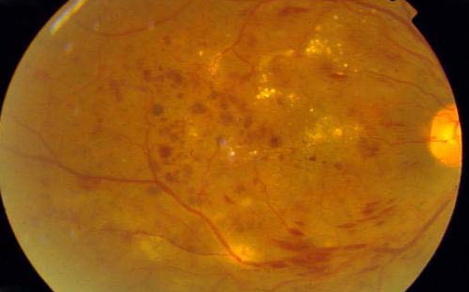
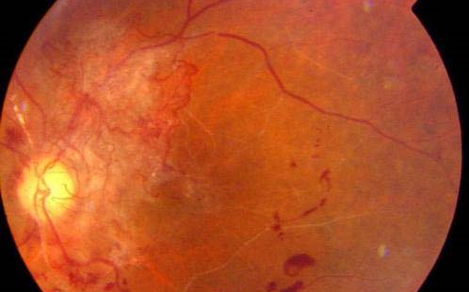
In the early stages, diabetic retinopathy may not cause noticeable symptoms. As the condition progresses, damaged blood vessels can leak fluid or blood into the retina. Abnormal blood vessels may also develop in advanced stages.
Regular eye examinations are therefore important for people living with diabetes, even when their vision appears normal.
Symptoms of Diabetic Retinopathy
Diabetic retinopathy can develop gradually, so early symptoms may be difficult to notice. As retinal changes increase, a person may experience:
- Blurred or fluctuating vision
- Difficulty seeing clearly at night
- Dark spots or floating objects in the field of vision
- Sudden changes in vision
- Difficulty reading or performing detailed tasks
- Reduced vision
- Distorted vision
- Loss of part of the visual field
Sudden changes in vision should be evaluated by an eye specialist promptly.
What Causes Diabetic Retinopathy?
The main underlying factor is prolonged high blood sugar associated with diabetes. Persistently elevated blood glucose can weaken and damage the tiny blood vessels of the retina.
Several factors can increase the likelihood of developing or progressing diabetic retinopathy, including:
- Long duration of diabetes
- Poor blood sugar control
- High blood pressure
- Abnormal cholesterol levels
- Pregnancy in women with diabetes
- Smoking
- Kidney disease
- Inadequate diabetic eye screening
Managing diabetes and associated health conditions can help reduce the risk of retinal complications.
Stages of Diabetic Retinopathy
Diabetic retinopathy is generally classified into different stages according to the retinal changes observed during examination.
Mild Non-Proliferative Diabetic Retinopathy
Small areas of swelling or changes in retinal blood vessels may appear. Many patients do not experience noticeable vision problems at this stage.
Moderate Non-Proliferative Diabetic Retinopathy
More retinal blood vessels can become affected. Blood flow to parts of the retina may become reduced, increasing the risk of further retinal damage.
Severe Non-Proliferative Diabetic Retinopathy
A larger number of retinal blood vessels may become blocked. The retina can respond by releasing signals that encourage the growth of abnormal blood vessels.
Proliferative Diabetic Retinopathy
This is an advanced stage in which abnormal blood vessels grow on the surface of the retina or nearby structures. These fragile vessels can bleed and may cause serious vision problems.
Early diagnosis and appropriate management can help reduce the risk of progression.
Diabetic Retinopathy Treatment in Lucknow
The appropriate treatment depends on the stage of diabetic retinopathy, the presence of diabetic macular edema, the amount of retinal damage, and the patient's overall eye health.
Depending on the condition, treatment may include regular monitoring, injections, laser treatment, or retinal surgery.
Regular Monitoring
Mild diabetic retinopathy may not require immediate procedures. Instead, the eye specialist may recommend regular retinal examinations to monitor changes.
During follow-up visits, the doctor may assess vision, retinal blood vessels, the macula, and other important structures.
Anti-VEGF Injections
Some patients with diabetic macular edema or advanced diabetic retinopathy may benefit from injections into the eye.
Anti-VEGF medicines can help reduce abnormal blood vessel growth and retinal swelling in appropriate cases. The number and frequency of injections depend on the individual patient's response and retinal condition.
Laser Treatment
Laser photocoagulation may be recommended for selected patients with diabetic retinopathy.
Laser treatment can target areas of the retina affected by abnormal blood vessel growth or leakage. The purpose is to reduce the risk of further retinal complications and protect remaining vision.
Vitrectomy Surgery
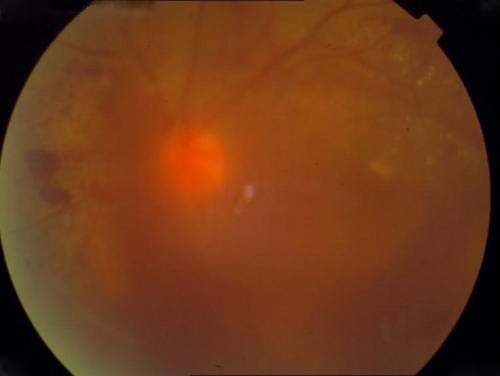
Advanced diabetic retinopathy can sometimes cause complications such as persistent vitreous hemorrhage or traction affecting the retina.
In selected cases, a vitrectomy may be recommended. This procedure involves removing the vitreous gel from inside the eye and addressing the retinal problem responsible for the visual disturbance.
The eye specialist determines whether surgery is appropriate after a detailed retinal evaluation.
Diabetic Macular Edema
Diabetic macular edema occurs when fluid accumulates in the macula, the central part of the retina responsible for detailed vision.
It can cause blurred or reduced central vision and may occur at different stages of diabetic retinopathy.
Treatment can include medications delivered through eye injections, laser treatment in selected cases, and regular monitoring.
Early diagnosis of macular changes is important because timely management may help protect central vision.
How Is Diabetic Retinopathy Diagnosed?
A comprehensive eye examination is an important part of Diabetic Retinopathy Treatment in Lucknow.
Depending on the patient's condition, the ophthalmologist may recommend:
- Visual acuity testing
- Dilated retinal examination
- Retinal photography
- Optical coherence tomography
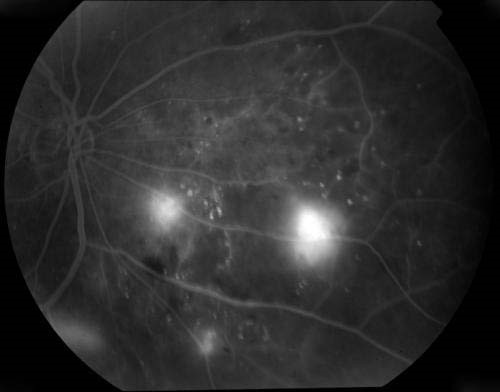
- Fluorescein angiography when required
- Other specialized retinal investigations
These tests help the specialist identify retinal swelling, bleeding, abnormal blood vessels, and other diabetic retinal changes.
Why Regular Diabetic Eye Checkups Are Important
Diabetic retinopathy may progress without obvious symptoms during its early stages. A person may therefore have retinal damage even when their eyesight seems normal.
Regular diabetic eye examinations allow retinal changes to be detected earlier. The recommended examination schedule depends on factors such as the type and duration of diabetes, blood sugar control, pregnancy status, and previous retinal findings.
Following the ophthalmologist's recommended schedule is an important part of protecting long-term eye health.
How Can Diabetic Retinopathy Be Prevented?
Diabetic retinopathy cannot always be completely prevented, but good management of diabetes and other health conditions can lower the risk of retinal complications.
Important steps include:
- Keep blood sugar within the target range recommended by your doctor
- Monitor blood pressure regularly
- Manage cholesterol levels
- Follow prescribed diabetes medicines
- Attend regular diabetic eye examinations
- Avoid smoking
- Follow a balanced diet
- Maintain regular physical activity as advised by your healthcare professional
- Report any sudden changes in vision promptly
Good diabetes management works together with regular eye care to support long-term vision health.
When Should You Visit a Retina Specialist?
People with diabetes should follow their eye specialist's recommended screening schedule. However, urgent evaluation may be needed if you experience:
- Sudden loss of vision
- Sudden increase in floaters
- Flashes of light
- A dark curtain or shadow across your vision
- Significant or sudden blurring
- Other rapid changes in eyesight
Prompt examination can help identify potentially serious retinal complications.
Why Choose Mansarovar Eye Hospital?
Choosing the right eye care centre is important when managing a condition that can affect vision over time. Mansarovar Eye Hospital provides comprehensive eye evaluation and treatment for various retinal and diabetic eye conditions.
Patients can undergo detailed retinal assessment to determine the severity of diabetic retinopathy and discuss suitable treatment options with an eye specialist.
The treatment approach is based on the patient's individual retinal condition rather than a single treatment method for everyone.
Frequently Asked Questions
What is the best treatment for diabetic retinopathy?
There is no single treatment that is best for every patient. Depending on the condition, treatment may involve monitoring, anti-VEGF injections, laser treatment, or surgery.
Can diabetic retinopathy be cured?
Diabetic retinopathy is a diabetes-related retinal condition. Treatment can help manage retinal complications and reduce the risk of further vision loss, but existing retinal damage may not always be completely reversed.
Can diabetic retinopathy cause blindness?
Advanced diabetic retinopathy can cause severe vision loss. Early detection, appropriate treatment, and proper diabetes management can help reduce the risk of serious complications.
Is diabetic retinopathy treatment painful?
The experience depends on the treatment. Eye injections and laser procedures are performed using appropriate methods to minimize discomfort. Your ophthalmologist can explain what to expect before treatment.
How often should a diabetic patient get an eye examination?
The appropriate frequency depends on the individual's diabetes, retinal health, and medical history. Your eye specialist can recommend a screening schedule based on your condition.
Can diabetic retinopathy be prevented?
Good blood sugar control, management of blood pressure and cholesterol, healthy lifestyle habits, and regular eye examinations can help reduce the risk and detect retinal changes early.
Protect Your Vision With Timely Diabetic Eye Care
Diabetic retinopathy can develop silently, making regular retinal examinations an important part of diabetes care. Early diagnosis allows the eye specialist to identify retinal changes and recommend appropriate management before complications become more serious.
If you are looking for Diabetic Retinopathy Treatment in Lucknow, consult the specialists at Mansarovar Eye Hospital for a comprehensive eye examination and personalized treatment plan.
Book an eye consultation today and take an important step toward protecting your vision.