
Cataract Services
The human eye functions much like a camera, with the natural crystalline lens focusing light onto the retina. Cataract is a condition in which this lens becomes cloudy (opacified), leading to gradual and painless loss of vision. Patients may experience blurred vision, glare and halos around lights, frequent changes in spectacle number, and difficulty with night or day vision.
Scope of Services
- Comprehensive Cataract Evaluation
A detailed preoperative assessment is performed to evaluate the extent of cataract, its contribution to visual loss, and the presence of any associated ocular or systemic conditions. Advanced diagnostics including optical biometryand retinal evaluation ensure accurate surgical planning. - Advanced Cataract Surgery
Modern cataract surgery is performed using phacoemulsification, a stitchless, minimally invasive technique with rapid recovery. Small Incision Cataract Surgery (SICS) is also offered in selected cases. - Intraocular Lens (IOL) Implantation
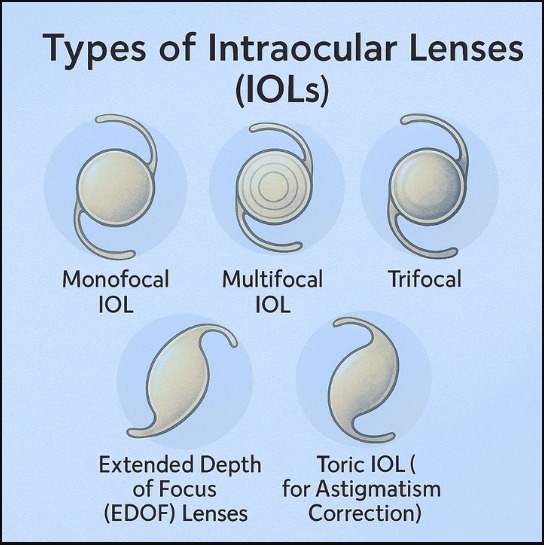
An intraocular lens (IOL)is implanted during surgery to replace the natural lens. This is a standard and essential component of cataract surgery. A wide range of lenses are available, including:- Monofocal IOLs
- Toric IOLs(for astigmatism correction)
- Multifocal IOLs
- EDOF (Extended Depth of Focus) IOLs
Advantages of IOL Implantation
- Significant restoration of vision with reduced dependence on glasses
- Availability of premium lenses for enhanced quality of vision
- Improved lifestyle and functional independence
- Maintenance of binocular vision
- Durable, stable implants that last a lifetime and do not require replacement
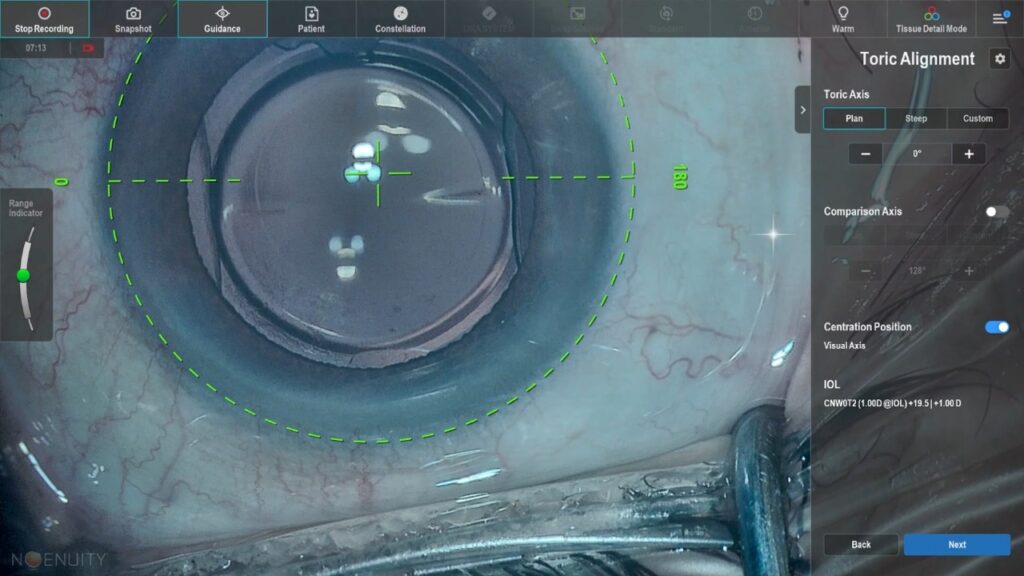
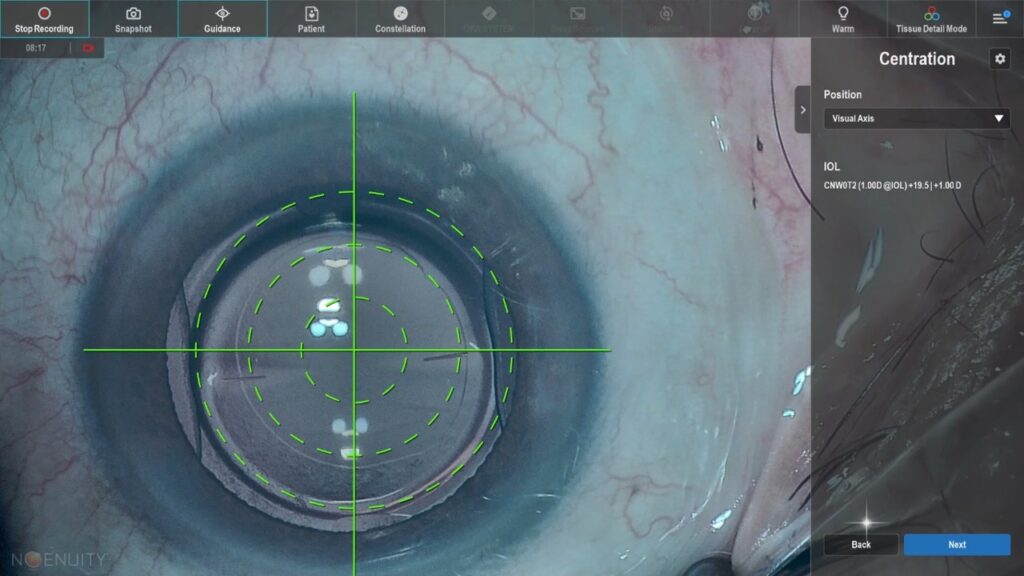
AI Assisted Cataract Surgery
Surgical Process
Before Surgery
Patients undergo a comprehensive eye examination including visual assessment, corneal evaluation, retinal examination, and biometry for IOL power calculation using advanced systems such as the Argos biometer. Systemic fitness is assessed when required.
During Surgery
After Surgery
Follow-up Schedule:
- Day 1 (next morning)
- 1 week
- 1 month
Surgeries are conducted in a modular NABH-standard operation theatre complex, adhering to stringent sterility and safety protocols, ensuring optimal surgical outcomes and patient safety.