
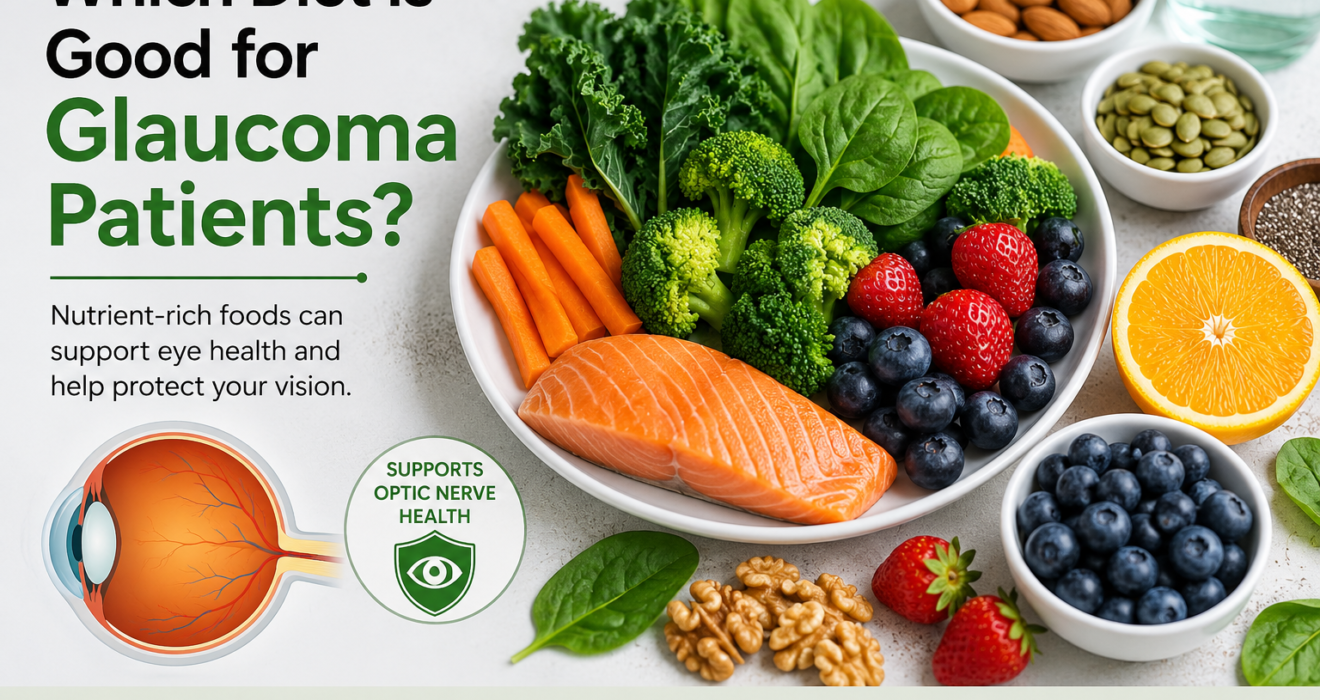
Which Diet Is Good for Glaucoma Patients?
Which Diet Is Good for Glaucoma Patients?
Introduction
Glaucoma is a serious eye condition that can damage the optic nerve and lead to permanent vision loss if left untreated. While medications, laser treatments, and surgery play a crucial role in managing glaucoma, many patients also ask whether a Glaucoma diet can help protect their vision. Although diet cannot cure glaucoma, following a healthy Glaucoma diet may support overall eye health and contribute to better long-term outcomes.
A well-balanced Glaucoma diet focuses on nutrient-rich foods that provide antioxidants, vitamins, and minerals essential for maintaining healthy blood flow to the optic nerve. Combined with regular eye examinations and prescribed treatments, a proper Glaucoma diet can become an important part of an eye-care routine.
In this article, we will discuss who can benefit from a Glaucoma diet, the types of foods that should be included, and how dietary choices may support eye health.
Who Needs a Glaucoma Diet?
A healthy Glaucoma diet may be beneficial for:
- Patients diagnosed with glaucoma.
- Individuals with a family history of glaucoma.
- Older adults at risk of developing glaucoma.
- People with high intraocular pressure.
- Patients seeking to support their eye health naturally.
While a Glaucoma diet should never replace medical treatment, it can complement professional glaucoma care and promote overall wellness.
Types of Foods Included in a Glaucoma Diet
- Green Leafy Vegetables
Green vegetables are among the most important components of a Glaucoma diet. Spinach, kale, fenugreek leaves, and collard greens contain nitrates that may help improve blood circulation and support optic nerve health.
Benefits include:
- Rich in antioxidants
- High in vitamins A, C, and K
- Supports healthy blood vessels
- Promotes overall eye health
Including leafy greens regularly is an excellent way to strengthen a Glaucoma diet.
- Fruits Rich in Antioxidants
Fruits are another valuable part of a Glaucoma diet. Berries, oranges, papaya, guava, and kiwi contain antioxidants that help combat oxidative stress, which may contribute to optic nerve damage.
Recommended fruits include:
- Blueberries
- Strawberries
- Citrus fruits
- Pomegranate
- Grapes
Adding colorful fruits can make a Glaucoma diet both nutritious and enjoyable.
- Omega-3 Rich Foods
Omega-3 fatty acids may support blood circulation and reduce inflammation, making them an important addition to a Glaucoma diet.
Good sources include:
- Salmon
- Sardines
- Tuna
- Flaxseeds
- Chia seeds
- Walnuts
These foods support cardiovascular health, which may indirectly benefit eye health.
- Nuts and Seeds
Nuts and seeds provide essential nutrients such as vitamin E, zinc, and healthy fats. A balanced Glaucoma diet often includes moderate portions of almonds, sunflower seeds, pumpkin seeds, and walnuts.
Benefits include:
- Antioxidant protection
- Improved nerve health
- Support for healthy vision
- Foods Rich in Vitamin C
Vitamin C helps protect eye tissues from oxidative damage. A healthy Glaucoma diet should include:
- Oranges
- Lemons
- Amla
- Bell peppers
- Broccoli
Regular consumption of vitamin C-rich foods may contribute to better eye health.
- Hydrating Foods and Fluids
Proper hydration is an important aspect of a Glaucoma diet. Drinking adequate water throughout the day supports overall body function. However, glaucoma patients should avoid consuming large amounts of water in a short period, as it may temporarily increase eye pressure.
Healthy hydration habits include:
- Drinking water gradually throughout the day
- Consuming water-rich fruits and vegetables
- Avoiding excessive sugary beverages
Foods to Limit in a Glaucoma Diet
An effective Glaucoma diet should also focus on reducing foods that may negatively impact overall health.
Consider limiting:
- Excessive caffeine
- Highly processed foods
- Sugary snacks
- Excessive salt intake
- Trans fats
Moderation is key to maintaining a balanced Glaucoma diet and supporting long-term wellness
Can Diet Cure Glaucoma?
One of the most common misconceptions is that a Glaucoma diet can cure glaucoma. Unfortunately, diet alone cannot reverse optic nerve damage or replace prescribed treatments. However, a healthy Glaucoma diet may help support eye health and improve overall well-being when combined with professional glaucoma management.
Patients should continue taking prescribed medications and attending regular eye checkups while following a nutritious Glaucoma diet.
Conclusion
A healthy Glaucoma diet can play a supportive role in maintaining eye health and overall wellness. Green leafy vegetables, antioxidant-rich fruits, omega-3 fatty acids, nuts, seeds, and vitamin-rich foods are valuable additions to a balanced Glaucoma diet. While dietary choices cannot cure glaucoma, they can complement medical treatment and help patients take a proactive approach to eye care.
For the best results, combine a nutritious Glaucoma diet with regular eye examinations, prescribed medications, and professional glaucoma management.
Protect Your Vision with Expert Glaucoma Care
If you have glaucoma or are at risk of developing it, early diagnosis and proper treatment are essential for preserving vision. At Mansarovar Eye Hospital, our experienced eye specialists provide comprehensive glaucoma evaluations and personalized treatment plans.
Book Your Eye Examination Today and Take the First Step Toward Better Eye Health
Frequently Asked Questions (FAQs)
What is the best Glaucoma diet?
A healthy Glaucoma diet includes green leafy vegetables, fruits rich in antioxidants, omega-3 fatty acids, nuts, seeds, and vitamin C-rich foods.
Can a Glaucoma diet lower eye pressure?
A Glaucoma diet may support overall eye health, but it cannot replace medications or treatments used to control eye pressure.
Are leafy vegetables good for glaucoma patients?
Yes. Leafy vegetables are an important part of a Glaucoma diet because they contain nutrients that support blood circulation and optic nerve health.
Should glaucoma patients avoid caffeine?
Moderate caffeine intake is generally acceptable, but excessive consumption may temporarily increase eye pressure in some individuals.
Can diet cure glaucoma?
No. A Glaucoma diet cannot cure glaucoma, but it can complement medical treatment and support overall eye health.
How often should glaucoma patients have eye examinations?
The frequency depends on the severity of the condition, but regular follow-up visits are essential for monitoring eye pressure and protecting vision.